Song Meaning
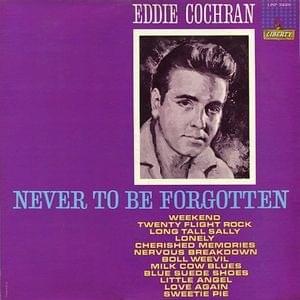
Eddie Cochran's "Lonely" isn't just a song; it's an existential cry from the heart of rock and roll's early years. Stripped bare, the lyrics expose a raw nerve of isolation, a feeling perhaps more universal than the idealized romance often peddled in popular music. The repetition of "lonely" acts as a mantra, almost a self-inflicted wound, driving the feeling deeper into the listener's consciousness. It's not simply sadness; it's a profound disconnection.
The lyrics move beyond a simple statement of being alone. Cochran delves into the *why*, questioning a higher power about the elusive concept of love. This isn't a lover's lament; it’s a fundamental questioning of human connection itself. The stark simplicity of the language – "what is this thing mortals call love?" – amplifies the speaker's alienation. He observes love from the outside, a participant locked out of the game. There's a sense of injustice, a plea for inclusion in a fundamental human experience.
The metaphors, though classic – the bird without a tree, the sailor without the sea – resonate because they underscore the essence of displacement. Each image depicts a being fundamentally severed from its source of life and comfort. The repeated plea to a higher power, combined with the almost nihilistic "wish I could die," hints at a spiritual crisis intertwined with the singer's emotional state. "Lonely" becomes more than a feeling; it's a state of being, a void so profound it challenges the will to exist. In this context, Eddie Cochran's song meaning transcends a mere pop tune; it's a stark portrait of existential loneliness.
 View Artist