Song Meaning
Eddie Cochran's "Dark Lonely Street" isn't just a song; it's a mood, a vibe, a solitary existential crisis set to a slow, bluesy tempo. Forget the sock hops and poodle skirts – this track plunges headfirst into the darker undercurrents of teenage angst. The lyrics paint a portrait of profound isolation, a figure adrift in a self-imposed purgatory of longing. It's more than just being alone; it's the crushing weight of unrealized potential, the ache for a connection that exists only in the realm of fantasy. The repeated invocation of the "dark lonely street" acts as both a physical space and a psychic state, a concrete manifestation of the singer's internal void. Each shadow becomes a reflection, not just of the body, but of the soul's emptiness. The cigarette offers a fleeting illusion of solace, a temporary anesthetic for a deeper wound. It's a classic portrait of the romantic outsider, the rebel without a cause who is ultimately undone by his own yearning.
Cochran masterfully taps into the universal adolescent experience of feeling disconnected, misunderstood, and perpetually on the outside looking in. The object of his desire, "a girl I've never seen," is less about a specific person and more about the idealized vision of love and companionship. She embodies the unattainable, the perfect solution to his loneliness that forever remains just out of reach. This unattainable ideal fuels the song's melancholic core, suggesting that the true object of desire is not a person, but the idea of connection itself. The question "Is my love just pretend, will this dream never end" hints at a deeper fear: that his emotions are performative, a self-constructed drama that shields him from the vulnerability of genuine interaction.
The cyclical structure of the lyrics, returning again and again to the "dark lonely street," reinforces the sense of being trapped in a self-perpetuating cycle of longing and despair. There's no resolution offered, no glimmer of hope on the horizon. Instead, the song ends as it began, immersed in the same atmosphere of isolation. This lack of closure is precisely what makes "Dark Lonely Street" so compelling. It doesn't offer easy answers or saccharine platitudes. Instead, it invites the listener to dwell in the discomfort of their own loneliness, to confront the shadows within, and to acknowledge the enduring power of the human desire for connection, even when that connection seems forever out of reach. It's a raw, honest, and deeply affecting exploration of the darker side of the teenage dream.
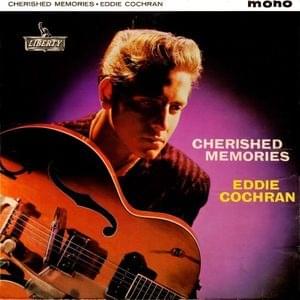
 View Artist