Song Meaning
Eddie Cochran's "Cradle Baby" dives headfirst into the turbulent waters of age-gap relationships and societal disapproval. The song's central tension revolves around the singer's defiant affection for a younger woman, likely a teenager, deemed a "cradle baby" by judgmental onlookers. It's a classic rock 'n' roll rebellion against the rigid norms of the late 1950s, where youth culture was beginning to find its voice, but societal expectations still loomed large. The lyrics paint a vivid picture of external pressure: whispers of immaturity, concerns about the girl's well-being, and the ever-present shadow of parental worry. Cochran's protagonist, however, dismisses these concerns, doubling down on his attraction and asserting the validity of their connection. He finds solace and desire in her, regardless of the age difference and what others might say. The phrase "just right for me" is repeated like a mantra, a personal truth that drowns out the chorus of disapproval.
Beneath the surface of youthful exuberance, "Cradle Baby" hints at deeper psychological themes. The singer's insistence that his lover is "just right" could be interpreted as a form of rationalization, a way to justify a relationship that challenges conventional morality. It's possible he's drawn to her youthful innocence as a counterpoint to his own experiences, seeking a sense of uncomplicated joy. The lyrics also touch upon the universal human need for connection and intimacy. The lines "when I need a-lovin' / And all of us do" ground the song in a shared human experience, suggesting that the singer's desire for companionship transcends age or social boundaries.
Ultimately, the song meaning of "Cradle Baby" resides in its defiant spirit and its exploration of forbidden desire. While the song doesn't explicitly condone or condemn the relationship, it forces listeners to confront their own biases and assumptions about age, love, and social acceptability. Eddie Cochran captures a snapshot of a generation grappling with changing norms, where the allure of youthful rebellion clashes with the weight of societal expectations. The song remains a powerful testament to the complexities of human relationships and the enduring struggle for personal freedom.
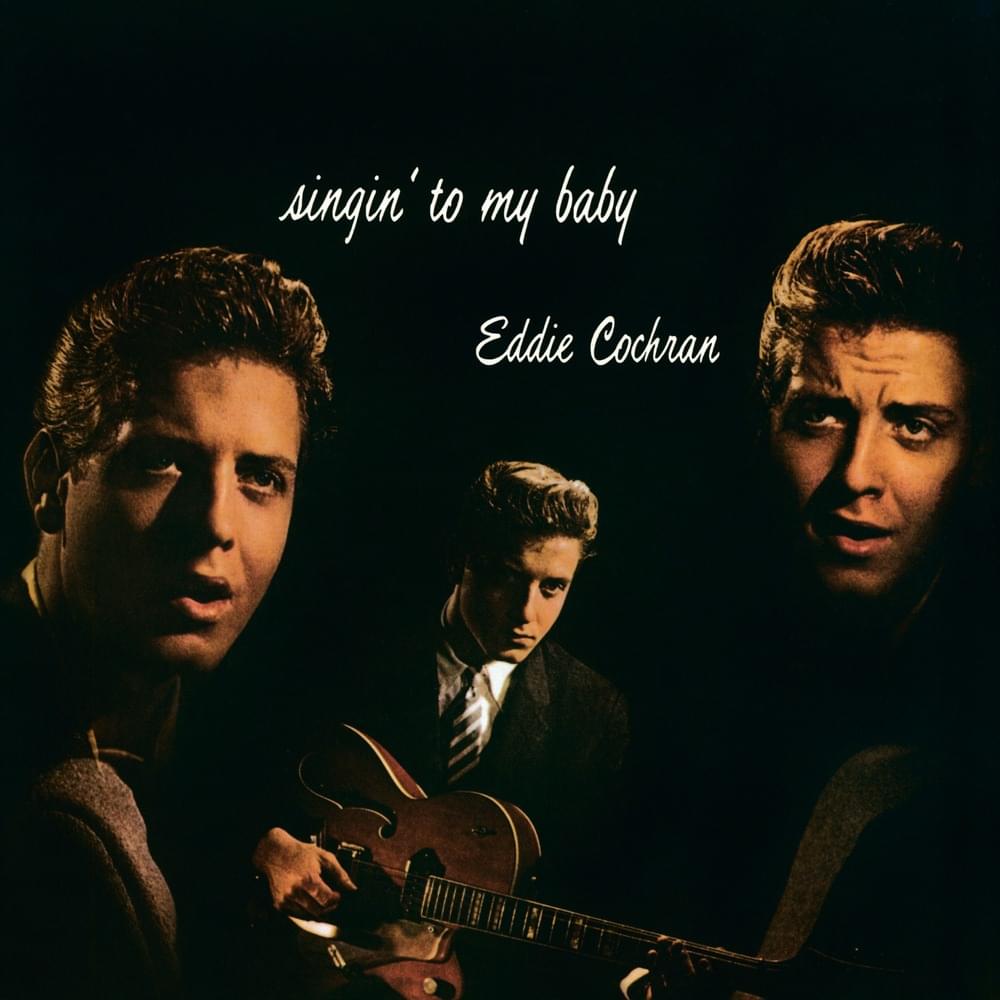
 View Artist