Song Meaning
The lyrics paint a stark, almost urgent picture of societal pressure on women to marry, framing aging without a partner as a dire predicament. The repeated "Wake up old maid, don't you know you're growing old" acts as a harsh alarm bell, immediately establishing a tone of anxiety and ticking clocks. The narrator is directly addressed, urged to "find your man" as if it's a simple task to stave off inevitable loneliness and physical decline. The initial verses hammer home the perceived negative consequences: sleeping alone and potentially losing one's health.
The central tension arises from the contrast between past youthful potential and present perceived failure. The narrator recalls being "sweet sixteen" with "a dream," then "twenty one" missing "fun," only to arrive at "25" still "alive" but without a "jockey" to "lead you right." This progression highlights a sense of lost opportunity and a narrowing window for fulfillment, with the "ten more good years" warning amplifying the urgency. The lyrics suggest a rigid timeline where a woman's value and happiness are intrinsically tied to finding a male partner before her youth fades.
The most striking element is the blunt, almost cruel framing of the situation, particularly the phrase "found a jockey who will lead you right." This metaphor, while crude, vividly conveys the idea of needing a guiding male figure to navigate life successfully, implying a woman's inherent inability to do so alone. The repetition of the refrain reinforces this narrative of regret and impending doom, making the pressure feel inescapable. The lyrics don't offer comfort, only a stark warning about the perceived consequences of not conforming to a specific life path.
Ultimately, the effectiveness of these lyrics lies in their unvarnished portrayal of a deeply ingrained societal anxiety. By focusing on the perceived physical and emotional costs of remaining unmarried past a certain age, the song taps into a primal fear of isolation and obsolescence. The direct address and repetitive, almost chant-like structure create a sense of relentless pressure, making the listener feel the narrator's perceived desperation and the weight of external judgment.
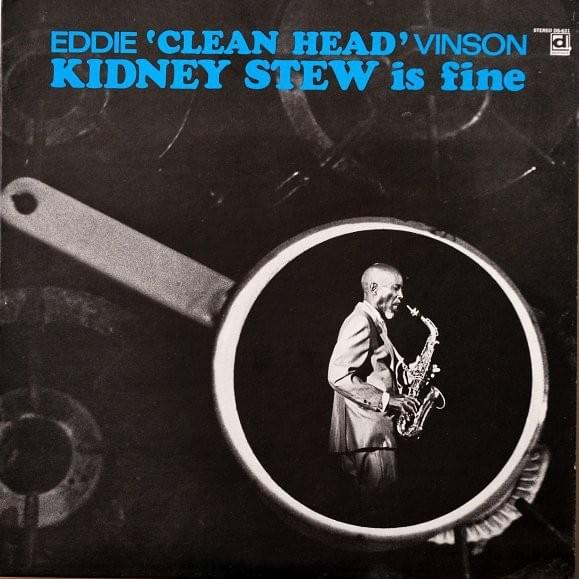
 View Artist