Song Meaning
These lyrics paint a stark, immediate picture of abandonment. The narrator's world collapses with the blunt declaration: "My baby's gone don't you know that hurt me so." It's a raw, unvarnished expression of pain, repeated for emphasis, setting a tone of deep personal sorrow.
The emotional core of the lyrics lies in the narrator's desperate scramble to understand and reverse a decision that feels both sudden and devastatingly final. The partner's choice to relay her departure through "the next-door neighbor" adds a layer of cold detachment, contrasting sharply with the narrator's aching desire to "talk it over one more time." This indirect communication amplifies the sense of helplessness and the partner's resolve.
The craft here is particularly effective in grounding abstract pain in concrete, almost mundane details. The image of a "crate were lying on the floor" isn't dramatic, but it's devastatingly real – a quiet, undeniable testament to a life uprooted. This simple visual, coupled with the specific destination of "Baltimore," makes the departure tangible, transforming a vague absence into a painful, undeniable fact.
Ultimately, the lyrics are effective because they capture the raw vulnerability of a person blindsided by loss, yet still clinging to a sliver of hope. The final lines, "I'm goin' really try to satisfy your mind," shift from a plea for return to a promise of change. It suggests the narrator understands, or at least suspects, that the departure wasn't just physical, but stemmed from a deeper, unmet need, making the heartbreak all the more poignant.
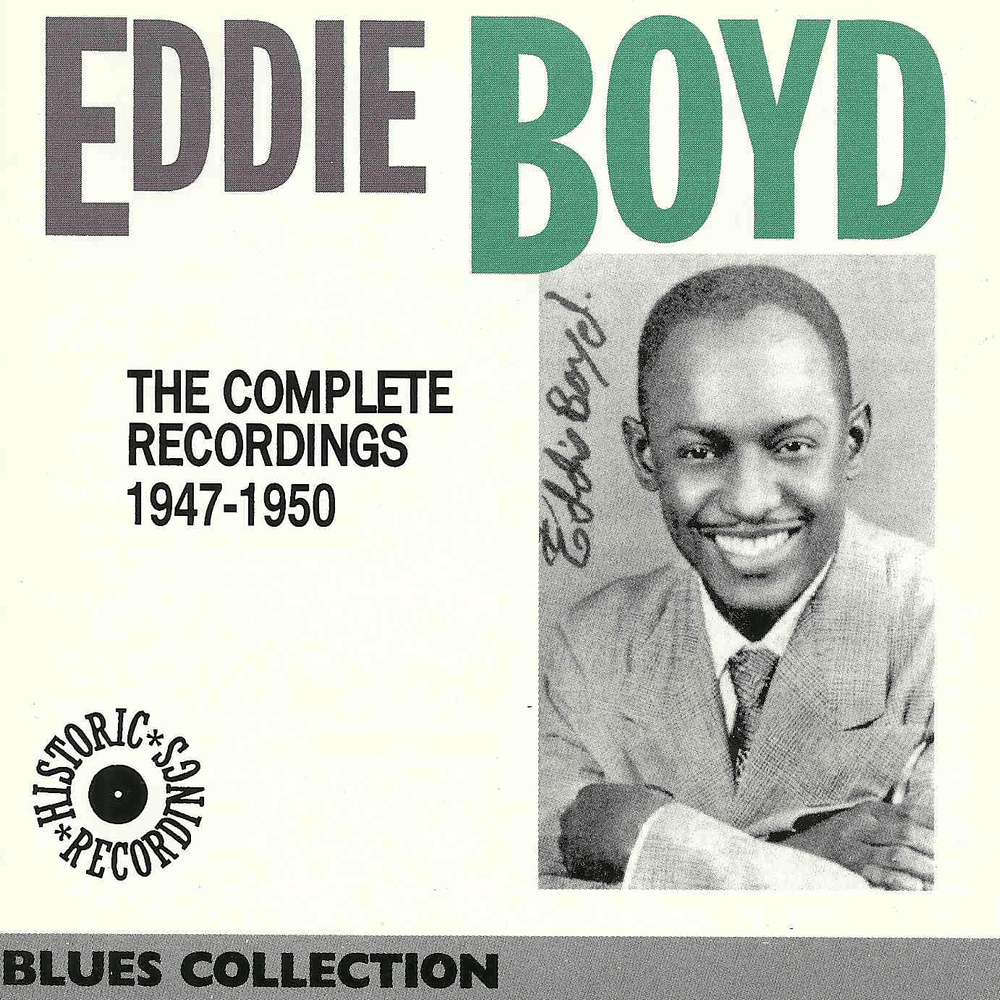
 View Artist