Song Meaning
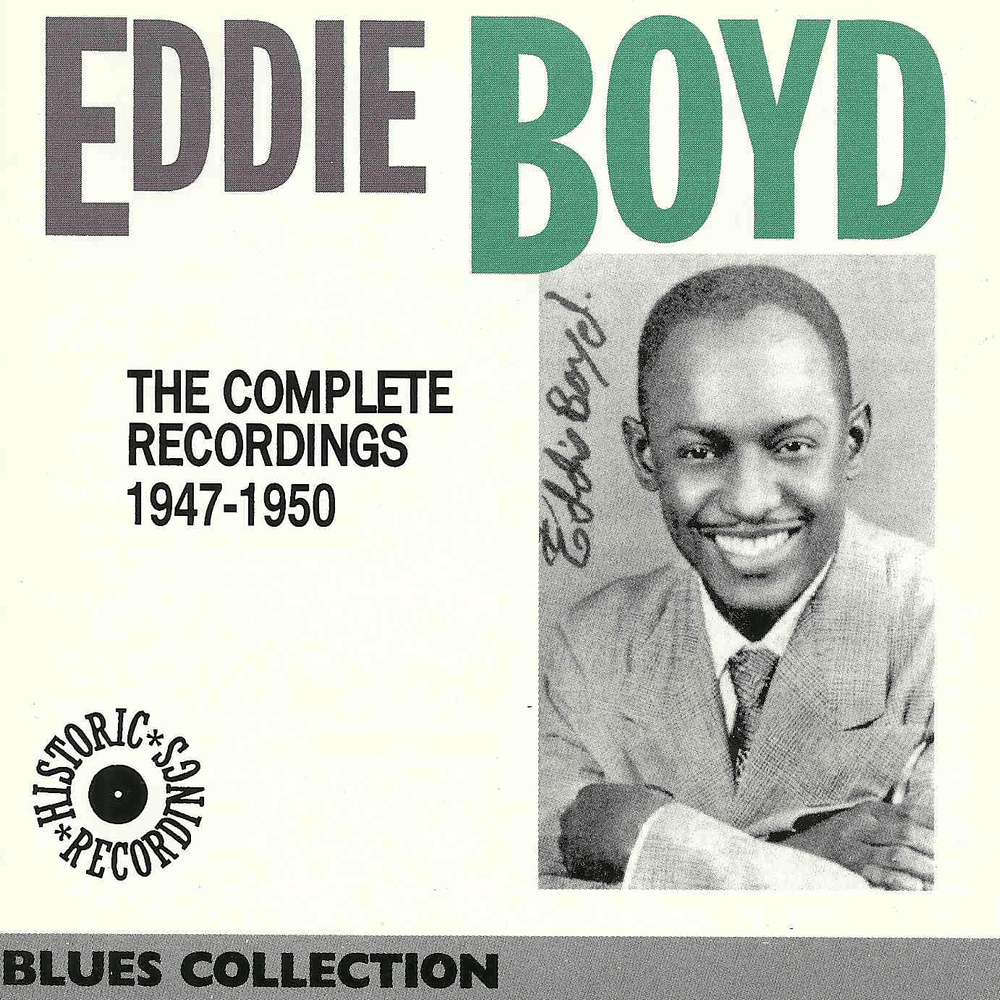
Eddie Boyd's "I Can Trust My Baby" isn't just a blues lament; it's a fascinating study in paradoxical anxiety, masked by declarations of absolute faith. The opening scene throws the listener directly into a domestic drama: 4 AM, a weeping partner, and a man walking into a situation ripe for suspicion. Boyd's immediate response is not anger or accusation, but a paternalistic concern, an attempt to soothe and control the narrative by asking "Tell papa who's been both'rin' you." This dynamic establishes a power imbalance, a subtle attempt to infantilize his partner even as he seemingly offers comfort. The line, "I don't want to agitate my sugar / Cause she drives away my blues," reveals a dependence that fuels his possessiveness. Her emotional state directly impacts *him*, and he needs to control it to maintain his own equilibrium. The blues, in this context, aren't just a feeling; they're a threat to his self-regulation.
The repeated assertion, "I can trust my baby anywhere," becomes the central irony of the song. The very act of stating it so emphatically suggests an underlying fear of betrayal. It's a mantra, a desperate attempt to convince himself more than anyone else. Psychologically, this can be interpreted as a defense mechanism – overcompensation to mask deep-seated insecurities. He protests too much, as Shakespeare would say. The claim that "She never told me a lie because / She's the type that tries to be fair" is presented as fact, but reads more like wishful thinking. Boyd constructs an idealized version of his partner, one that fits his need for stability and control, regardless of reality.
Ultimately, "I Can Trust My Baby" is less about actual trust and more about the male ego's fragility. The final verse, with its veiled threat of violence ("if you try to steal her / Oh man you know your grave is already dug"), exposes the darker side of this possessiveness. It's a warning to potential rivals, a declaration of ownership disguised as passionate devotion. The supposed trust is conditional, dependent on her unwavering loyalty and his ability to maintain control. The song’s true meaning lies not in the words spoken, but in the anxieties barely concealed beneath the surface of Eddie Boyd’s blues bravado. It is a complex portrayal of love, fear, and the lengths to which one will go to protect their own sense of security.
 View Artist