Song Meaning
The lyrics paint a picture of profound loss, but frame it through a lens of enduring spirit. The opening lines, "A gyertya szépen lángol / Nem fújja már a bántó szél" (The candle burns beautifully / The hurtful wind no longer blows it out), immediately establish a sense of peace after struggle. This suggests a transition from a difficult existence to a state of rest, where the "viasztest elolvadt" (wax body melted) and is reborn elsewhere.
The central tension arises from the contrast between physical absence and spiritual presence. While "A Föld már elengedte" (The Earth has already let go), the departed is now "az égen egy csillag ragyog" (a star shines in the sky). This celestial imagery, coupled with the idea of an "égi dallamot" (heavenly melody) being played, emphasizes a transcendence beyond earthly pain. The lyrics grapple with the lingering "fájdalom velünk" (pain with us) even as the "lelked halhatatlan" (your soul is immortal).
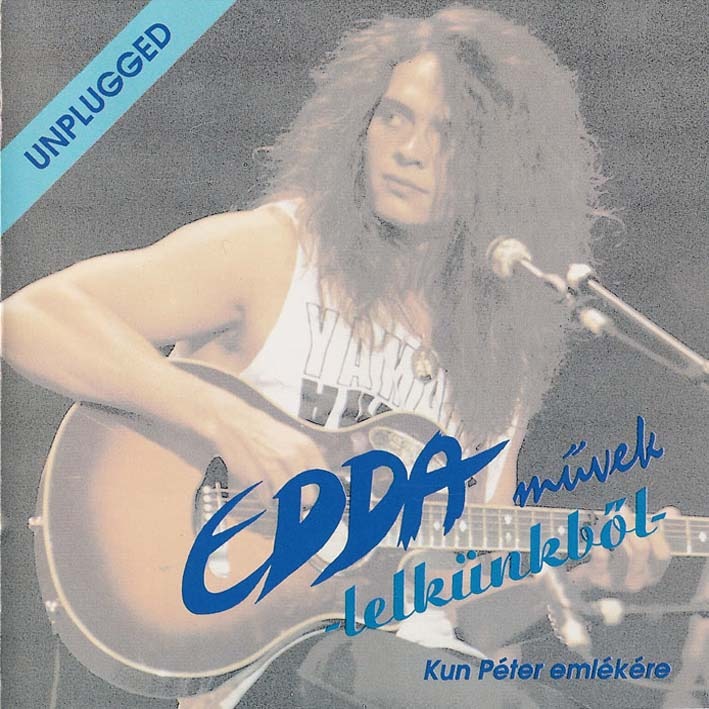
The most striking craft element is the persistent theme of music and light as metaphors for the departed's continued influence. The "égi dallamot" evolves into "egy új ütembe kezd" (starts a new rhythm), signifying a new phase. The song itself becomes a vessel, "Lelkünkbõl szól ez a dal" (This song speaks from our soul), a testament to the enduring connection. The plea "ne, hogy a reményt elvegye!" (don't let it take hope away!) directly combats the despair that loss can bring, urging listeners to hold onto the memory and the light.
Ultimately, the effectiveness of these lyrics lies in their gentle yet firm assertion of continuity. They acknowledge the harsh reality of separation, the "vihar kiált kegyetlen" (storm shouts cruelly), but pivot to the idea that the essence of the loved one remains. The repeated refrain, "Örökre velünk maradsz / Õrizzük mosolyodat" (You remain with us forever / We keep your smile), transforms grief into a form of remembrance and continued love, suggesting that the spirit, like a melody, can resonate eternally.
 View Artist