Song Meaning
The lyrics immediately plunge into a scene of unapologetic indulgence, with the narrator declaring, "This day also starts well" before aiming to "drink myself to the yellow earth." It's a stark, almost ironic opening that establishes a world where extreme consumption is not just present, but a routine. This sets a tone of defiant resignation, where heavy drinking is simply how things begin.
Despite this immediate dive, the lyrics acknowledge external pressures, noting that "The price of alcohol went up." Even "professionals" are observed drinking and eating "in their sorrow," suggesting a broader societal context for this behavior. Yet, these concerns are quickly brushed aside with a casual "Hej hopp!", creating a core tension between the recognition of potential downsides and a determined, almost communal, commitment to the habit.
A key element of the craft lies in the lyrics' explicit rejection of modern alternatives. The narrator dismisses "Coca-Cola," urging, "Let's not take notice of it." Instead, there's a fierce loyalty to traditional drinks, with "Tokaji will be king." This isn't merely a preference; it's a defiant act of preserving "the good tradition" against perceived outside influences, solidifying drinking as a cultural cornerstone.
The effectiveness of these lyrics stems from their raw, unvarnished portrayal of a deeply ingrained habit and the community built around it. Phrases like "To stop? That's just a phrase" and the daily ritual with a "buddy" underscore the futility of resistance within this established pattern. The lyrics create a vivid picture of individuals finding solace and identity in shared, relentless indulgence, making it feel both darkly humorous and profoundly resonant for those who understand such a lifestyle.
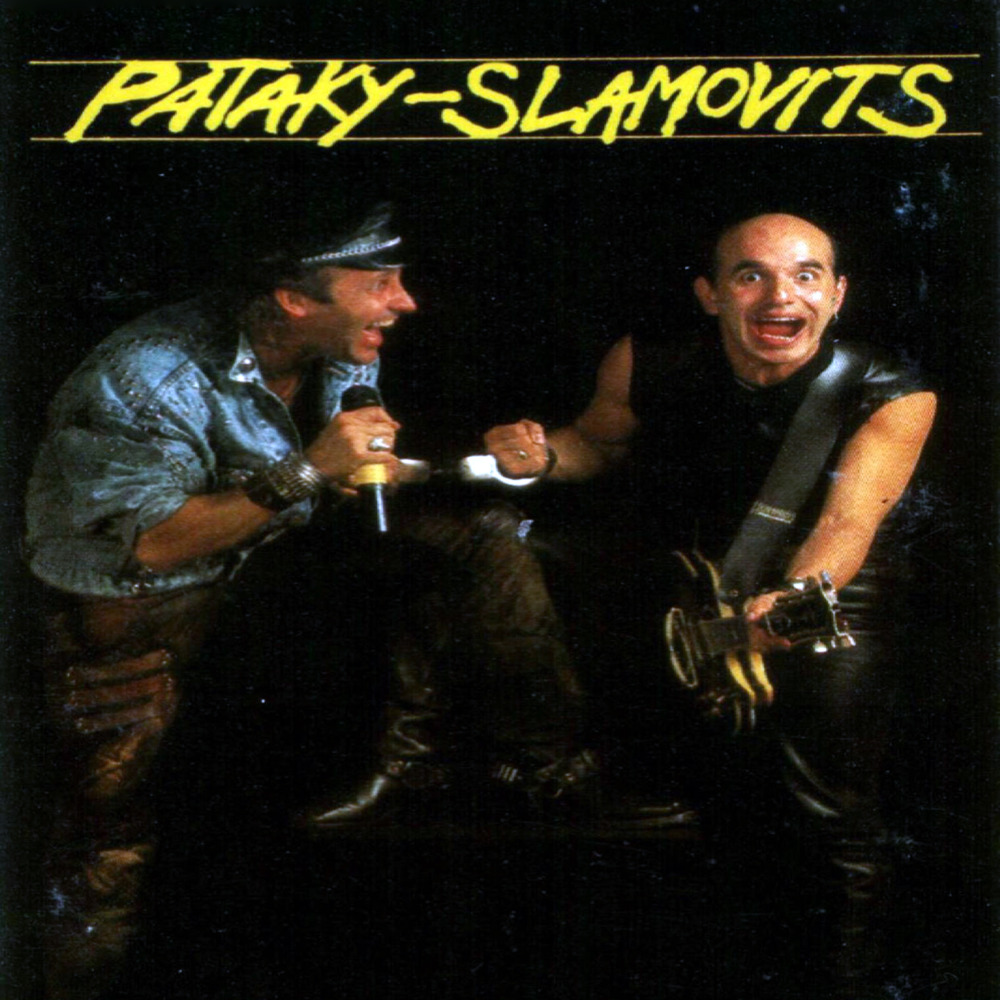
 View Artist