Song Meaning
The lyrics open on a tense rendezvous at an old cafe table, a place where the past might be closing or beginning anew. The air is thick with unresolved conflict, as the speakers admit, "Haraggal a szívünkben jöttünk." They arrived with anger, forgetting everything beautiful.
This initial bitterness quickly gives way to a profound sense of regret and a desperate yearning for connection. Despite the animosity, there's a powerful moment of self-awareness, an almost prophetic warning: "Jaj, de meg fogjuk bánni még!" This internal conflict between present anger and anticipated future sorrow drives the emotional core, suggesting a love too significant to simply discard.
Suddenly, the narrative shifts with a tender, vulnerable gesture: "Feléd nyújtom a kezem." This physical reach is met with a moment of pure affection, as the speaker cherishes how the other person "hozzám szólsz / Ahogy hozzám érsz. Szeretem." This brief, intimate interlude highlights the enduring bond beneath the surface of their fight, a stark contrast to the earlier anger.
The fight, it seems, has exhausted them both; "Mindketten fáradtak vagyunk." There's a shared acknowledgment of mistakes "mindkét oldalon," leading to a poignant plea for restoration. The final lines, "Legyen hát újra minden úgy, mint rég / Ne adjuk fel könnyen egymás szerelmét!" are not just a wish, but a desperate, direct appeal to salvage a love that, despite everything, still holds immense value.
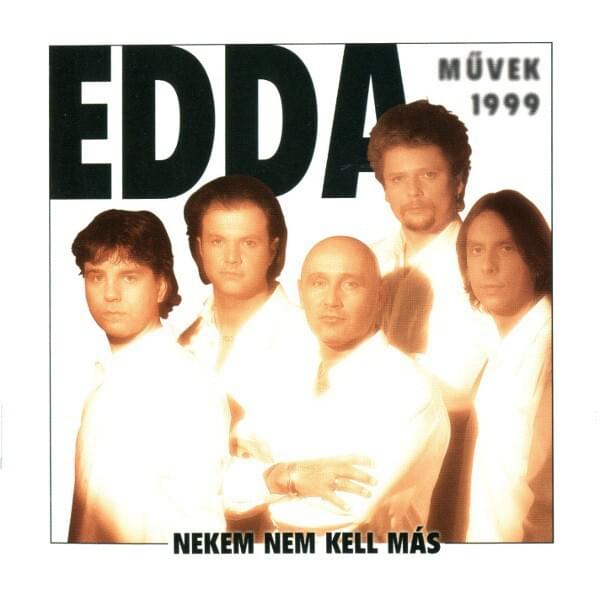
 View Artist