Song Meaning
Ed Motta's "Reader's Choice" is less a song and more a sardonic commentary on the consumption of information in the modern age. The opening lines, lamenting the loss of "the old fountain" and "each drop of pure essence," immediately establish a sense of nostalgia for a time when truth felt more pristine and accessible. This idealized past is then contrasted with the present, where the listener is implicated in a search for news that ultimately leaves them "with such discontent." It's a pointed jab at the addictive and often unfulfilling nature of modern media consumption, suggesting that the constant pursuit of information can actually lead to a deeper sense of dissatisfaction. Motta seems to be suggesting we've traded quality for quantity, authenticity for sensationalism. The line "Truth, you've been used" acts as a recurring indictment, leveled not only at the purveyors of information but also at the audience that passively consumes it.
The introduction of "Privacy" as something one "came across" feels almost accidental, highlighting its fragility in a world saturated with information. It's a fleeting moment of respite before diving back into the fray. The reference to "adventurous snobs" being "the ones you have been praying for" is particularly biting. It suggests a reliance on elitist or sensationalist sources, further emphasizing the corrupted relationship between truth and its seekers. These "snobs" are not presented as reliable guides but rather as figures who exploit the hunger for novelty and excitement, further distorting the truth in the process.
The concluding line, "Hopefully/ Owe and never pay you back," is ambiguous but carries a cynical weight. It could be interpreted as a commentary on the exploitative nature of the media landscape, where audiences are constantly indebted to sources that provide them with information, yet never truly receive anything of lasting value in return. Or perhaps it's a darker statement on the nature of truth itself, once lost, never truly recovered. Ultimately, "Reader's Choice" paints a bleak picture of a world where the pursuit of knowledge has become a self-defeating cycle, leaving us perpetually yearning for something authentic that seems increasingly out of reach.
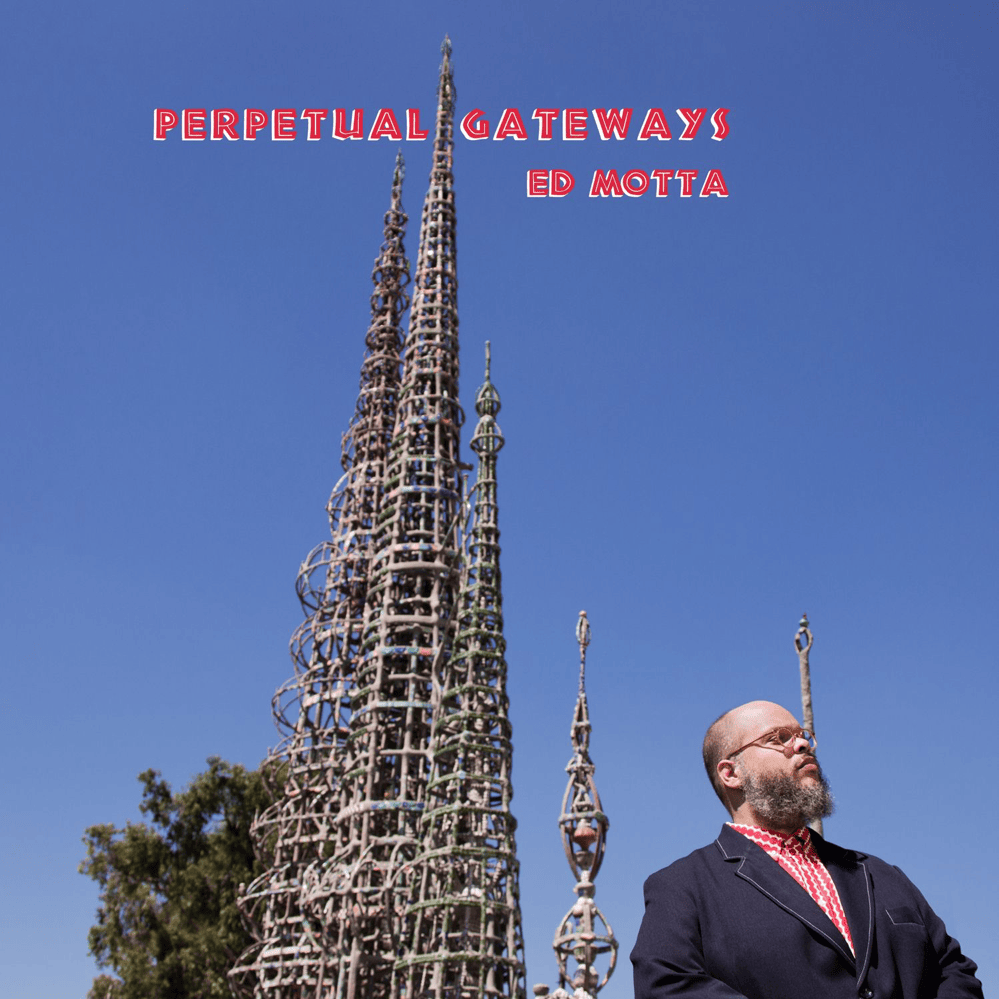
 View Artist