Song Meaning
Ed Motta's "Quem Pode Surpreender?" unravels like a melancholic bossa nova dreamscape, a sonic exploration of absence and the lingering echoes of lost love. The lyrics, sung in Portuguese, paint a picture of a relationship fractured to the point of non-recognition. It's not just about the pain of separation; it's about the erosion of shared experience, the slow fade of intimacy where even the body itself—"Seus pés / Nem vão mais te buscar"—becomes a stranger. The core question, "Quem pode surpreender / Me ressuscitar toda manhã?" speaks to a profound dependence on the other for daily renewal, a co-existence so deeply ingrained that its absence feels like a form of living death. The song taps into the universal fear of being forgotten, of becoming irrelevant in the life of someone who once saw you as essential.
That fear manifests in the recurring imagery of hair—"Cabelos vão crescer / Sem meu olhar / Quem vai cortar / Cada fio então / Do coração?" Hair, a symbol of vitality and connection, becomes a haunting reminder of neglect. Who will tend to the physical and emotional remnants of this bond now that the speaker's gaze is gone? The question isn't merely rhetorical; it's a desperate plea for someone to acknowledge the enduring impact of the relationship, to salvage the pieces left behind. The repetition emphasizes the anxiety of losing control, of no longer having agency over even the smallest details of the other person's life.
The geographical distance, "Distante / É mais do que um lugar," hints at a deeper emotional chasm. It's a separation that transcends physical space, a gulf carved out by unspoken words and unresolved conflicts. The desire to be hidden "onde seus braços dormem" reveals a longing for the safety and comfort of the past, a yearning to return to a state of innocent embrace. Ultimately, "Quem Pode Surpreender?" is a poignant meditation on the fragility of connection and the enduring power of absence, a subtle yet devastating exploration of what it means to be truly, irrevocably, alone.
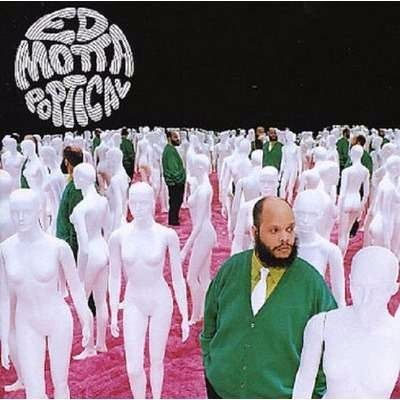
 View Artist