Song Meaning
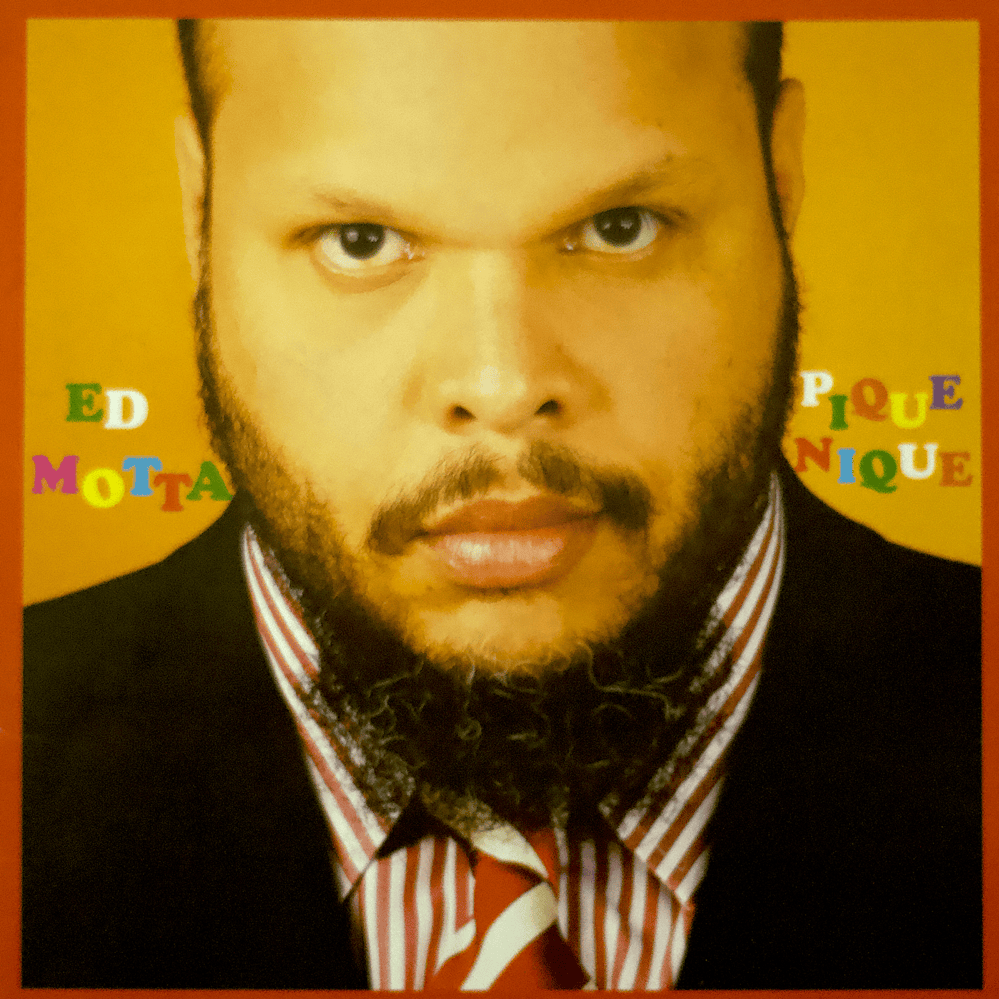
{"song_id": 11128436, "meaning": "Ed Motta's \"Piquenique\" isn't just a whimsical invitation to a picnic; it's a layered exploration of memory, expectation, and the sometimes-disappointing reality of chasing an idealized vision. The opening lines, tinged with a sense of mirage and uncertainty, immediately plant us in a space of searching. The speaker's initial confidence quickly dissolves into self-doubt as they confess to taking a wrong turn, only to end up back where they started. This cyclical journey mirrors the way our minds often revisit the same memories, each time slightly altered by perception and longing. The repeated questioning, \"Mas… cadê o tal lugar?\" (But… where is that place?), underscores the elusive nature of the sought-after ideal. Is it a physical location, or a state of mind? Perhaps it represents a past moment that cannot be perfectly recreated. The lyrics subtly acknowledge the inherent gap between memory and reality, highlighting the human tendency to romanticize the past. The 'foto pra guardar' symbolizes the selective filtering our minds perform on memories, preserving only the most palatable aspects. Despite the initial uncertainty, the chorus embraces the joy of simple pleasures associated with a picnic – games, music, and companionship. This shift suggests a willingness to find contentment in the present moment, rather than being solely fixated on a possibly unattainable past.
The imagery of the patinete (scooter), bicicleta (bicycle), and molinete (fishing reel) evokes a sense of childlike wonder and playful exploration. These simple objects serve as vehicles to transport us not only to the picnic but also back to a time of carefree innocence. The inclusion of a fita cassete (cassette tape) further reinforces this nostalgic element, reminding us of a time before digital perfection, when music was a more tangible and personal experience. The mention of \"tutti-frutti\" to chill, is a playful touch adding to the lighthearted atmosphere. However, the underlying tension remains. The speaker's initial doubts resurface later in the song, questioning whether they have truly found the \"right place.\"
Ultimately, \"Piquenique\" resolves in a spirit of acceptance and appreciation. The realization that they have found Paquetá – a real island suburb of Rio de Janeiro – symbolizes a grounding in the present. The closing lines, \"Sim… vamos aproveitar / Cochilar, pedalar, namorar / Até cansar\" (Yes… let's enjoy / Nap, bike, flirt / Until we get tired), suggest a conscious decision to embrace the moment and find joy in the simple acts of connection and relaxation. Ed Motta uses the picnic as a metaphor for life itself, a journey filled with detours, uncertainties, and the ever-present tension between expectation and reality, but also filled with the potential for joy, connection, and simple pleasures."}
 View Artist