Song Meaning
Ed Motta's "Hyponchondriac's Fun" isn't a straightforward narrative; it's a mood piece, a glimpse into a detached, perhaps cynical, perspective on… well, everything. The opening lines, "A scary flag, somewhere / Grabbing few interests," immediately suggest a world where alarms are sounding, but apathy reigns. Is this societal commentary? A personal crisis met with ironic distance? Motta doesn't tell us, he implies. There's a weariness present, a sense of having seen it all before, encapsulated in the lines, "What a shame / What a joy to survive / Never in life had a hard time." The last line, dripping with sarcasm, hints at a privileged detachment from real struggle. This isn't a lament; it's an observation, delivered with a world-weary shrug.
The song meaning deepens with the almost dismissive attitude towards offering one's best: "Give 'em all you have / They can choose your best." This suggests a disillusionment with authenticity, a feeling that genuine effort is ultimately subject to arbitrary judgment. The reference to "old lies" reinforces this sense of cyclical disappointment. What are these lies? Societal expectations? Romantic ideals? The ambiguity is deliberate, allowing listeners to project their own experiences onto the song's canvas. The question "What is it good for?" hangs in the air, unanswered, underscoring the pervasive sense of futility.
The chorus, if it can be called that, offers a stark contrast. "They just start to dance / Can't believe their lack of taste improves / Simulate a thrill / Hypochondriac's fun, well done / Secure, unsure." This points to the core of the song: the 'hypochondriac' isn't necessarily concerned with physical illness, but with a deeper malaise, a fear of being truly alive, of taking risks. The 'fun' comes from observing others, from a safe distance, as they engage in what seems like shallow, simulated joy. The final oxymoron, "Secure, unsure," perfectly captures the paradoxical state of the observer: safe in their detachment, yet deeply uncertain about the meaning of it all. Motta isn't offering answers, only a beautifully rendered snapshot of existential ambivalence.
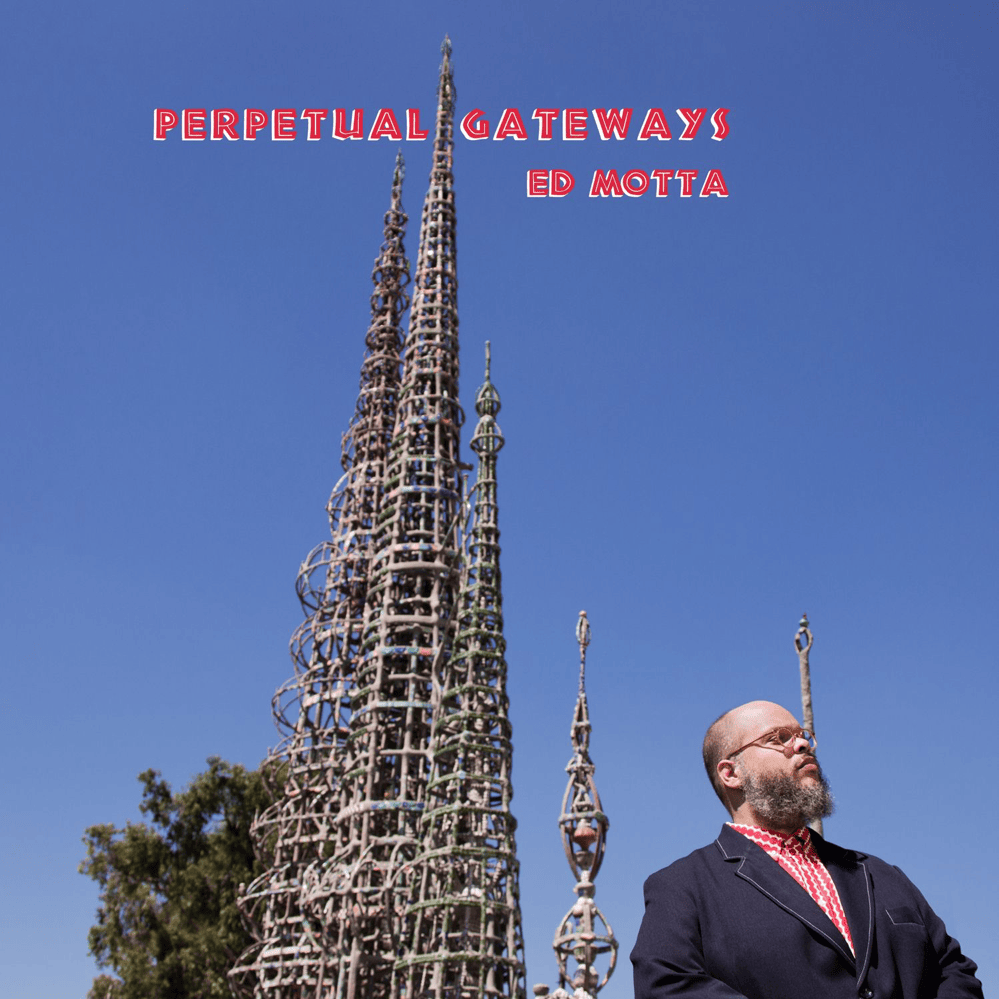
 View Artist