Song Meaning
Ed Motta's "Fun Times" (rough translation from the original Portuguese) isn't just a breezy bossa nova track; it's a nocturne, a sly commentary on freedom, transgression, and the intoxicating allure of living outside societal norms. The lyrics paint a vivid picture of a clandestine romance, casting the lovers as stray cats prowling a neon-lit cityscape. This feline metaphor is crucial. Cats, unlike domesticated pets, retain a certain wildness, an independence that allows them to navigate the shadows and claim their pleasure without apology. The phrase "fora da lei" (outside the law) appears repeatedly, underscoring this theme of rebellion. It's not about grand larceny or violent crime; it's a more subtle defiance, a rejection of conventional morality in favor of raw, instinctual desire. This "lawlessness" extends to their love itself, described as "amor de bicho" (animal love) and "paixão maluca" (crazy passion), suggesting a primal connection that transcends societal expectations.
The "Cidade nua" (naked city) setting further amplifies the song's meaning. The city at night becomes a playground for these outlaws, a space where they can shed their inhibitions and embrace their true selves. The references to moonlight, rooftops, and whispered secrets create an atmosphere of intimacy and danger, hinting at the risks involved in pursuing such a liberated existence. The "gata de rua" (street cat) isn't just a lover; she's a symbol of untamed femininity, a creature who embodies the freedom and independence that the male narrator so admires. He elevates her to "rainha" (queen), acknowledging her power and agency within this unconventional relationship.
Ultimately, "Fun Times" is a celebration of living in the moment, of embracing the wildness within, and of finding love and connection in unexpected places. It's a romanticized vision of a life lived on the fringes, where the only rules are those dictated by the heart. While the surface of the song is light and playful, the underlying message is a potent reminder that true freedom often lies in breaking free from the constraints of societal expectations and embracing the untamed aspects of our nature. The lyrics analysis reveals a deeper complexity, a sophisticated exploration of desire, rebellion, and the intoxicating power of living "fora da lei."
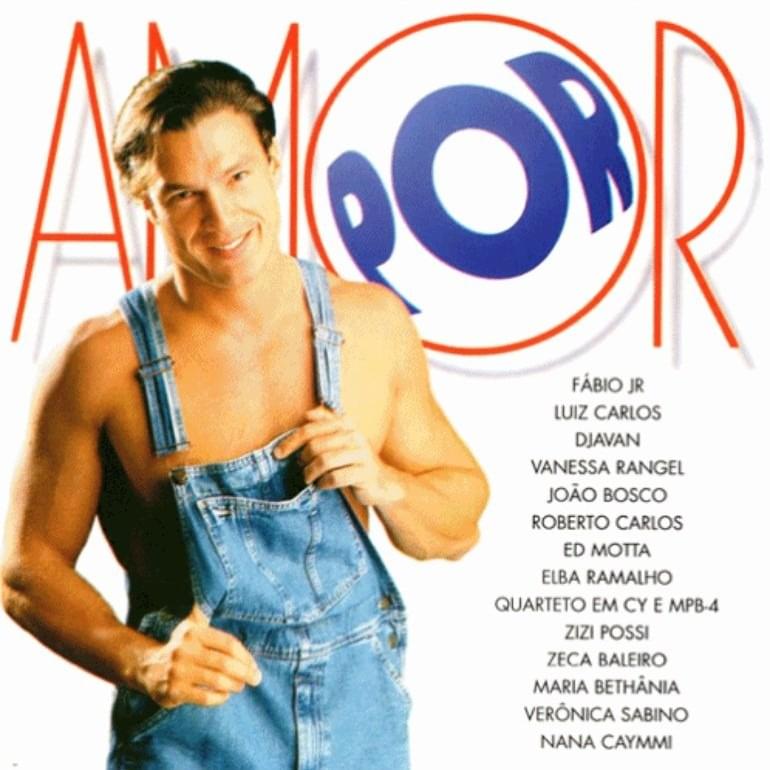
 View Artist