Song Meaning
The narrator attempts to comfort a "little girl" while grappling with their own internal darkness. There's a stark contrast between the reassurances offered – "don't be sad," "I don't love you" – and the admission of being "brought me down." This creates an immediate tension: the speaker is trying to project strength and affection while clearly struggling, making their words feel both earnest and fragile. The imagery of setting eyes on fire, while potentially aggressive, might suggest a desire to awaken or invigorate the girl, or perhaps a desperate attempt to feel something intensely amidst their own despair.
The core of the song seems to be about navigating profound sadness and the desperate search for solace. The narrator acknowledges the difficulty their presence causes the "little girl," suggesting a self-awareness of their own debilitating state. The desire for the "sun break through / The cracks within my room" is a powerful metaphor for hope, a yearning for light and clarity to penetrate the pervasive gloom. This hope is fragile, however, as it "might wash away this gloom," implying uncertainty.
The lyrics pivot towards escapism and a grim acceptance of mortality. The turn to "Alcohol, company" and drinking "'til dawn" signifies a coping mechanism, a way to numb the pain or distract from it. The striking image of pretending to be dead while resting by the "neon light" is particularly potent, suggesting a desire for oblivion or a detachment from reality. This act of feigning death underscores the depth of their despair, even as they seek external comfort.
The repeated refrain, "The birds will sing for us but we all die in the end," is the most profound statement. It juxtaposes the beauty and natural order of birdsong – a symbol of life and perhaps joy – with the inescapable finality of death. This creates a poignant, almost bleak, acceptance. The effectiveness lies in this stark contrast: even in moments of potential beauty or solace, the ultimate end is acknowledged, lending a bittersweet and heavy weight to the entire narrative. The narrator's struggle is framed by this ultimate, shared fate.
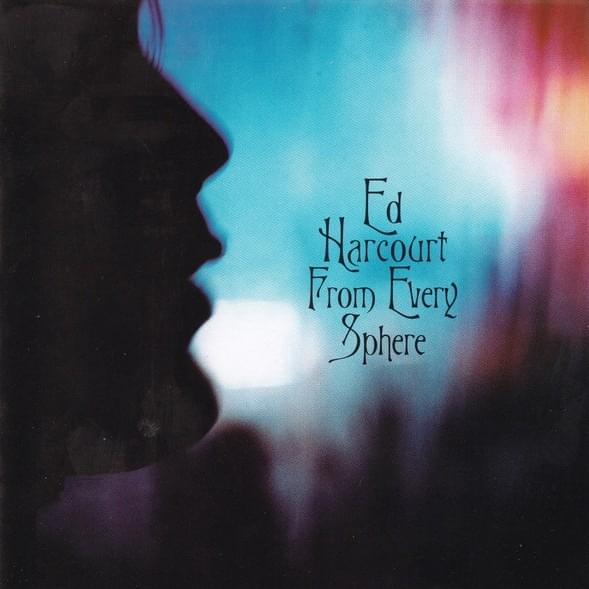
 View Artist