Song Meaning
The lyrics present a direct, almost urgent invitation to abandon solitude and embrace a vibrant, communal experience. The opening questions immediately challenge the value of isolation, contrasting it with the allure of music and collective celebration. This sets up a clear dichotomy: the quiet, perhaps lonely, room versus the lively, engaging atmosphere of the cabaret. The repeated phrase "Life is a cabaret" acts as a central thesis, reframing existence as a performance or spectacle that demands participation.
The core tension lies between passive resignation and active engagement with life. The narrator urges the listener to "put down the knitting, the book, and the broom," domestic and solitary activities, in favor of "a holiday" and the sensory pleasures offered by the cabaret: tasting wine, hearing the band, and making noise. This is further reinforced by the dismissal of "prophet[s] of doom," suggesting that embracing the present moment and its joys is a conscious act of defiance against negativity and existential dread.
The most striking craft element is the persistent, almost hypnotic repetition of the "cabaret" motif, coupled with the intimate, familiar address "old chum." This repetition hammers home the central metaphor, making it feel both grand and personal. The lyrics also employ a series of direct commands – "Come taste the wine," "Come hear the band," "Come blow your horn" – which create a sense of momentum and irresistible pull towards the promised celebration. The structure builds by layering these invitations, culminating in the final, emphatic plea to "throw all your cares away."
Ultimately, the effectiveness of these lyrics stems from their unwavering optimism and their simple, powerful metaphor. By framing life itself as a "cabaret," the song offers a compelling argument for seizing the moment and finding joy in shared experience, rather than succumbing to isolation or despair. The direct, almost theatrical tone makes the invitation feel both grand and deeply personal, encouraging the listener to step out of their room and into the music.
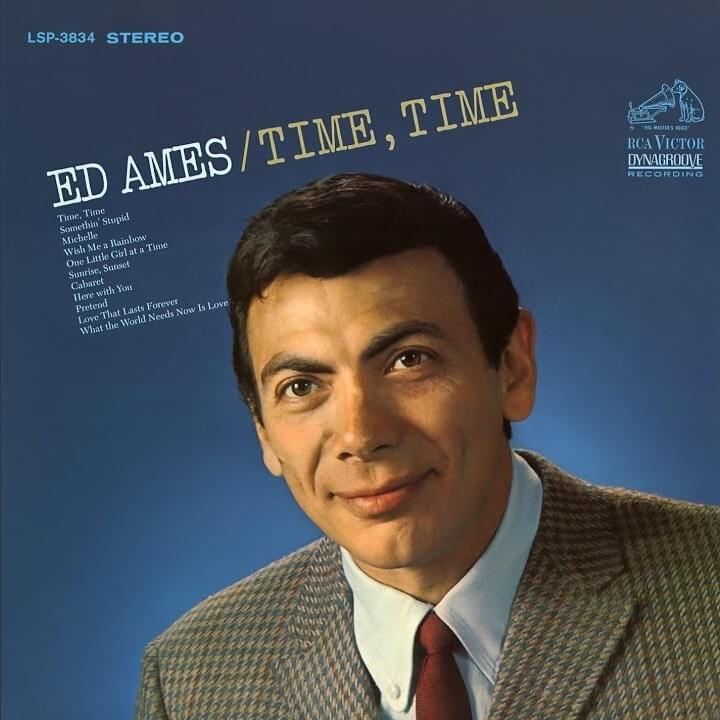
 View Artist