Song Meaning
The lyrics paint a stark picture of unmet expectations in a relationship, where words alone fail to bridge the emotional gap. The repeated phrase "Szavak, szavak, nekem ez nem elég" (Words, words, it's not enough for me) immediately establishes a core tension: a deep dissatisfaction with mere verbal assurances. This isn't about a lack of communication, but rather a yearning for something more profound, something that transcends empty promises. The contrast with "Szívek, szívek, neked az van elég" (Hearts, hearts, you have enough of those) suggests a perceived imbalance, where the speaker feels their emotional needs are not being met by a partner who might be verbally expressive but emotionally distant or insincere.
The central conflict lies in this disconnect between spoken declarations and genuine feeling. The narrator is looking for proof of love, not just its announcement. The line "Hogyha szívből szeretnél / Nem csak ígérnél" (If you loved me from the heart / You wouldn't just promise) is the crux of this plea, highlighting the desire for authentic affection over superficial pledges. The verse further emphasizes this, contrasting the "monoton zaja" (monotonous noise) of empty words with the musicality of a kiss, suggesting that physical intimacy, when born of true feeling, speaks louder than any declaration.
The bridge offers a beautiful counterpoint, revealing what the narrator *does* value: shared emotion and unity in silence. "Ha velem érzel, csendben maradunk, az a jó" (If you feel with me, we remain silent, that's good) and "És ha a csendben egyet akarunk, az a jó" (And if in silence we want the same thing, that's good) point to a deep, unspoken connection as the ideal. This is where true intimacy resides for the speaker – not in the performance of love through words, but in the quiet understanding and shared desires that silence can hold. It's a powerful articulation of how genuine connection can bypass the need for constant verbal validation.
Ultimately, the effectiveness of these lyrics stems from their directness and the clear emotional stakes they establish. The repetition of "Szavak, szavak" hammers home the narrator's frustration, while the idealized vision of silent, shared understanding in the bridge provides a poignant contrast. The writing doesn't just state a problem; it offers a glimpse into what true connection looks like for the speaker, making the yearning for it all the more palpable and resonant.
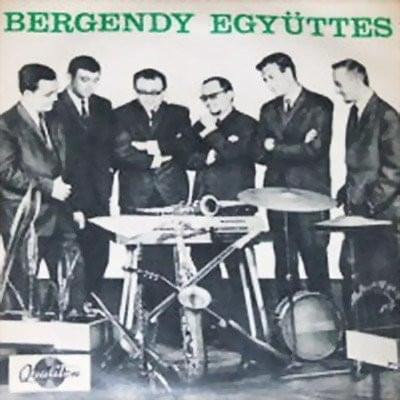
 View Artist