Song Meaning
The lyrics paint a stark picture of a life spent chasing material success, only to realize the true cost. It begins with a youthful, carefree eighteen-year-old who has "plenty of time" and "no worries," driven by "wildness and play." This contrasts sharply with the twenty-seven-year-old who feels "time is running out" and can't afford to be lazy, pushing forward with "ambitions not yet fulfilled."
The central tension emerges as the narrator, now older, surveys their possessions – "fine wine, sports cars, cameras, gold watches" – and acknowledges they "have it all" in the eyes of others, yet still don't feel "rich enough." This pursuit has led to a realization that they've "used up all that I own" to acquire these things, trading precious time and life for mere "invoices."
The most striking craft is the recurring motif of the "tourbillon" (陀飛輪), a complex watch mechanism, which becomes a metaphor for the relentless ticking of time and the narrator's own life. The lyrics question the value of this pursuit: "Is life worth losing a few seconds / To buy another watch?" The physical aging, "skin has secretly loosened," is juxtaposed with the frantic attempt to "grasp seconds," highlighting the futility of trying to control time through material accumulation. The narrator admits, "Why only realize it's so important / When it's all used up?"
Ultimately, the song's power lies in its unflinching self-examination. The narrator confronts the emptiness of a life measured by possessions, where "labor is endless" and the "soul has been sold." The final lines, "In the timepiece, seeing a whole life / So insignificant," deliver a profound and melancholic punch, suggesting that true value wasn't in the accumulation but in the moments lost along the way. The realization that "even if I sold my soul, the chain wouldn't tick" underscores the ultimate emptiness of material wealth when life itself has been depleted.
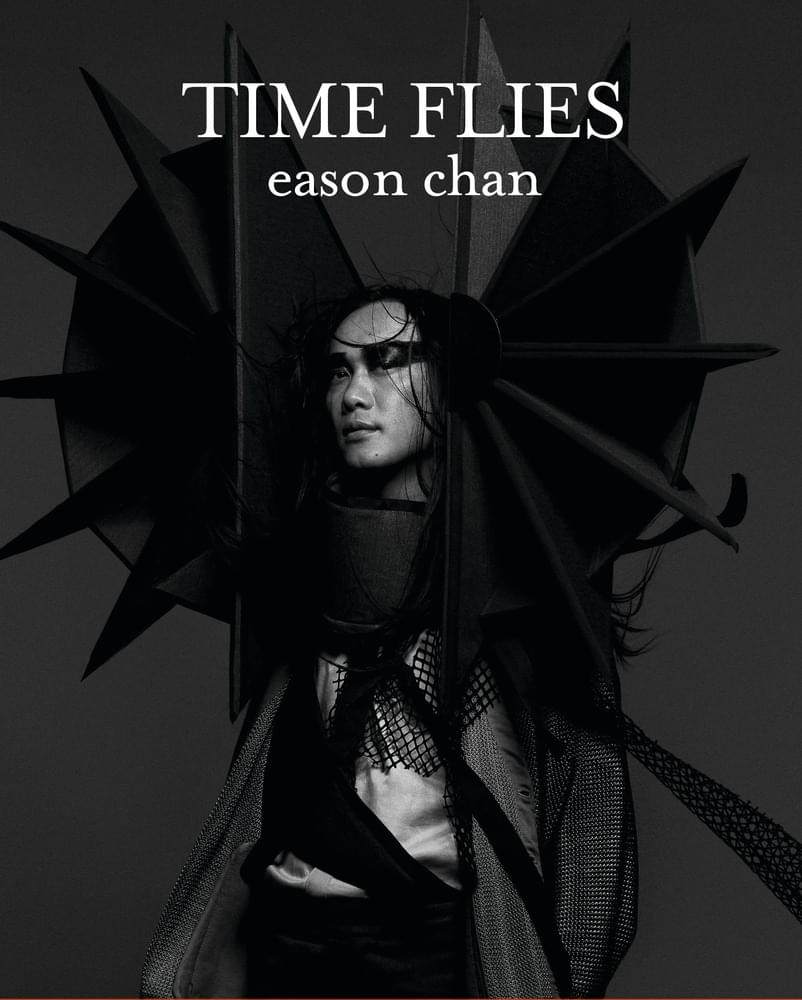
 View Artist