Song Meaning
The lyrics paint a picture of accepting fate and letting go of the past, particularly in the context of relationships and life's predetermined turns. The opening verses contrast potential outcomes: unfulfilled moments like scattered petals versus celebrated success like a waterfall, suggesting that even unfulfilled paths have their own quiet beauty. The core idea is that some things are beyond our control, like the turning of seasons or the whims of fate, and fighting against them is futile. This leads to a central theme of forgetting, of shedding the 'password' or 'genetic code' that binds us to past hurts or expectations.
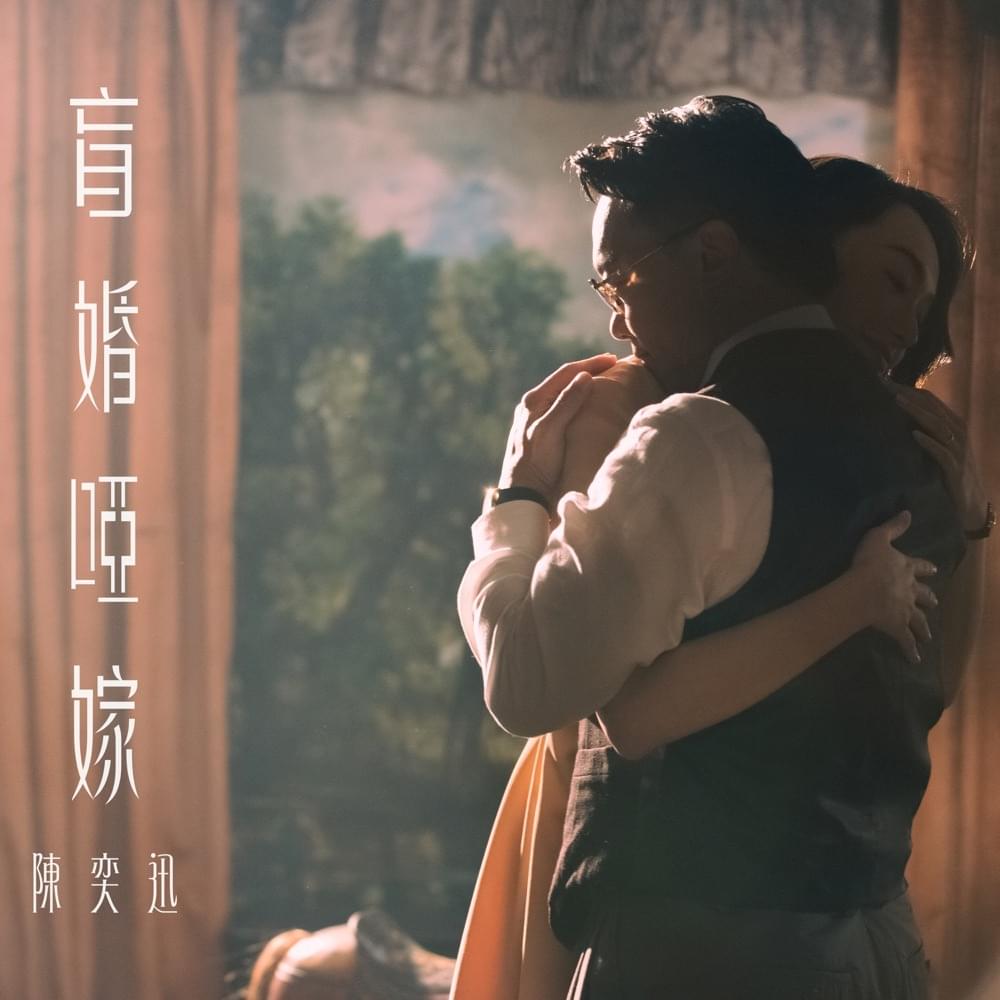
The central tension lies in the struggle between wanting to control outcomes and the necessity of surrender. The narrator grapples with the idea of 'blind marriage, mute wedding' – a metaphor for relationships or life events that happen without true understanding or agency. This feeling of being a passive participant, subject to 'fate's decree,' is contrasted with the desire to simply 'forget it.' The lyrics suggest that true freedom comes not from understanding or changing these predetermined events, but from releasing the need to decode them.
The most striking craft element is the recurring metaphor of the 'password' or 'genetic code' (密碼). Forgetting is likened to forgetting a password, implying that the code itself is the barrier to moving on. The phrase 'blind marriage, mute wedding' (盲婚啞嫁) is a powerful image of entering into significant life events without full awareness or expression, highlighting a sense of detachment and lack of control. The repetition of 'forget it' (忘記它) and the questioning of whether things are 'accurately made' (作得準嗎) emphasize the narrator's attempt to disengage from the perceived script of life.
Ultimately, these lyrics resonate because they capture a universal human desire to escape the burden of past experiences and predetermined paths. The writing offers a sense of peace through acceptance, suggesting that by shedding the 'code' that defines us and our expectations, we can find a more fluid way of existing. The imagery of flowers blooming and fading, seasons changing, and the final lines about 'worldly dramas' (凡間的戲碼) all contribute to a feeling of transient beauty and the wisdom of letting go, even when the circumstances feel like a 'blind marriage, mute wedding.'
 View Artist