Song Meaning
This track opens with a poignant contrast: the narrator feels ordinary, while perceiving someone else as heroic, suggesting a shared human need for dreams despite differing paths. The lyrics quickly pivot to a sense of time passing, a common adult realization of lost childhood innocence. This sets up a core tension between the limitations of reality and the persistent human desire for escape and aspiration.
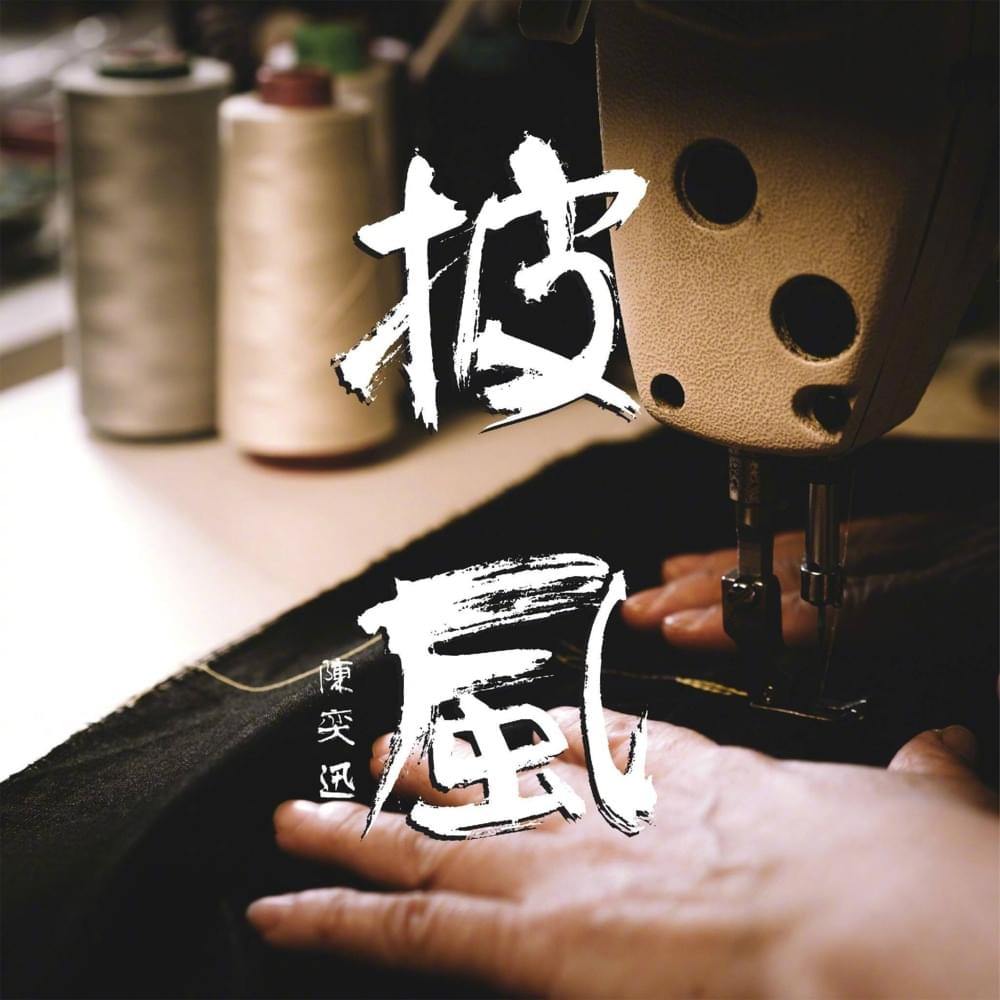
The central conflict emerges from the inability to fly, forcing a grounded existence of '努力走' (walking hard). Yet, the sky remains an open invitation, a space for imagination. The narrator crafts an internal '披風' (cape), a mental refuge to simulate the ease of floating on clouds, a stark contrast to the '辛苦' (hardship) of daily life. This internal cape is a coping mechanism, a way to endure struggles while waiting for '可能的風' (possible wind), hinting at hope for a change in fortune or a moment of elevation.
The lyrics masterfully weave in fleeting images of shared human experience: the elderly man crossing the street, the crying little girl. These brief vignettes underscore a collective, often tearful, movement through life, suggesting that beneath surface differences, people carry similar burdens and perhaps similar motivations, like a single motivating phrase pushing them forward. The final chorus introduces a new layer, acknowledging nightmares and the feeling of being a '獨行俠搞丟了披風' (lone ranger who lost their cape), a powerful image of vulnerability and lost confidence. The narrator offers reassurance, '別怕' (don't be afraid), pointing to the '晴空' (clear sky) as a source of enduring hope.
What makes these lyrics resonate is their delicate balance between acknowledging hardship and championing inner resilience. The '披風' isn't literal; it's the power of imagination and hope, a tool forged in the heart to navigate life's inevitable difficulties. The song suggests that even when grounded, the ability to look up, to dream, and to create internal sanctuaries is what allows us to endure and find strength, even when we feel like a lone ranger who's lost their way.
 View Artist