Song Meaning
The lyrics paint a picture of a man trying to project an image of rugged independence, but struggling with underlying loneliness and emotional vulnerability. He boasts about being a "lone wolf" who doesn't need to follow rules and claims he's not in a rush to find a partner. This outward confidence, however, is juxtaposed with moments of deep sadness, like crying alone with a bottle of wine, suggesting the bravado is a defense mechanism against profound isolation. The narrator appears to be grappling with the societal expectation of masculinity versus his own softer, more sensitive nature.
The central tension lies in the conflict between the narrator's self-proclaimed "manly" persona and his admission of a "softer heart." He blames external factors like ex-partners and a difficult life for his situation, even sarcastically noting that being alone is "great." This deflection highlights his reluctance to confront his own emotional needs and the pain of his solitude. The repeated refrain about blaming others, followed by the confession of being "soft-hearted," underscores this internal struggle and the difficulty of admitting vulnerability.
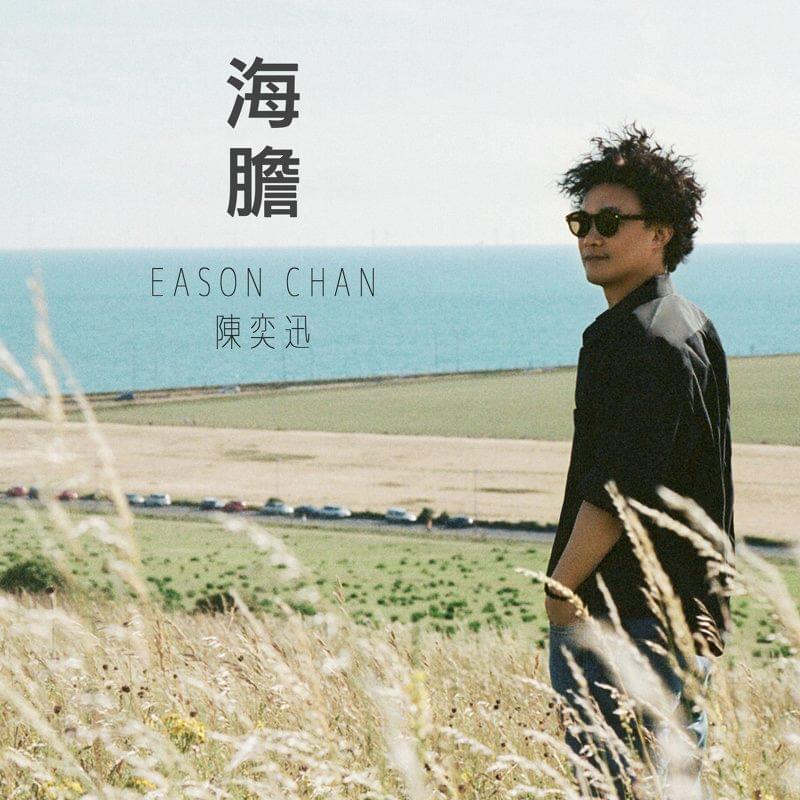
The most striking metaphor is the narrator likening himself to a sea urchin ("海膽"). This image perfectly captures his outward defense – sharp spines meant to keep others at bay – while hinting at a tender interior. He acknowledges this by saying, "don't come near, it's just being allergic to love." This suggests a history of hurt that has led him to build these protective barriers, making genuine connection seem impossible. The lyrics imply that this self-imposed isolation, while seemingly a choice, is actually a painful consequence of past experiences.
Ultimately, the effectiveness of these lyrics stems from their raw honesty about the performance of masculinity. The narrator's attempts to "pretend to play along" and maintain a tough exterior while admitting to deep loneliness resonate because they expose the often-hidden emotional landscape of men. The contrast between his bravado and his quiet despair, particularly the image of him crying alone, makes his vulnerability palpable and his self-description as a sea urchin a poignant, relatable confession.
 View Artist