Song Meaning
The narrator is embracing a philosophy of radical detachment, aiming to shed the weight of worldly concerns. The opening lines set a tone of deliberate nonchalance, dismissing ambitions and relationships with a shrug. It's a conscious decision to "see everything lightly," to shrink dreams and ignore fame, suggesting a weariness with the usual striving. The narrator appears to be actively cultivating a state of being unbothered, even to the point of feigned ignorance about pop culture figures.
The core tension lies in the narrator's pursuit of ease versus the inherent pressures of life. They propose a method of making burdens feel insignificant, comparing a "thousand pounds" to "thinner than paper" and a problem as large as Mars to a mere "pimple." This deliberate reframing is a coping mechanism, an attempt to mentally lighten the load. The repeated assertion "I'm okay, no problem" functions as a mantra, a way to convince oneself of this newfound serenity.
The lyrics employ a striking contrast between grand philosophical ideals and mundane, almost lazy, physical actions. The narrator imagines being Zhuangzi reading a newspaper under a tree, a blend of ancient wisdom and modern idleness. This is further emphasized by the list of activities: doing yoga, sleeping early, copying scriptures, hiking, and singing in the shower. These are presented not as rigorous spiritual disciplines, but as simple, effortless ways to achieve a state of calm, a "lighter" existence.
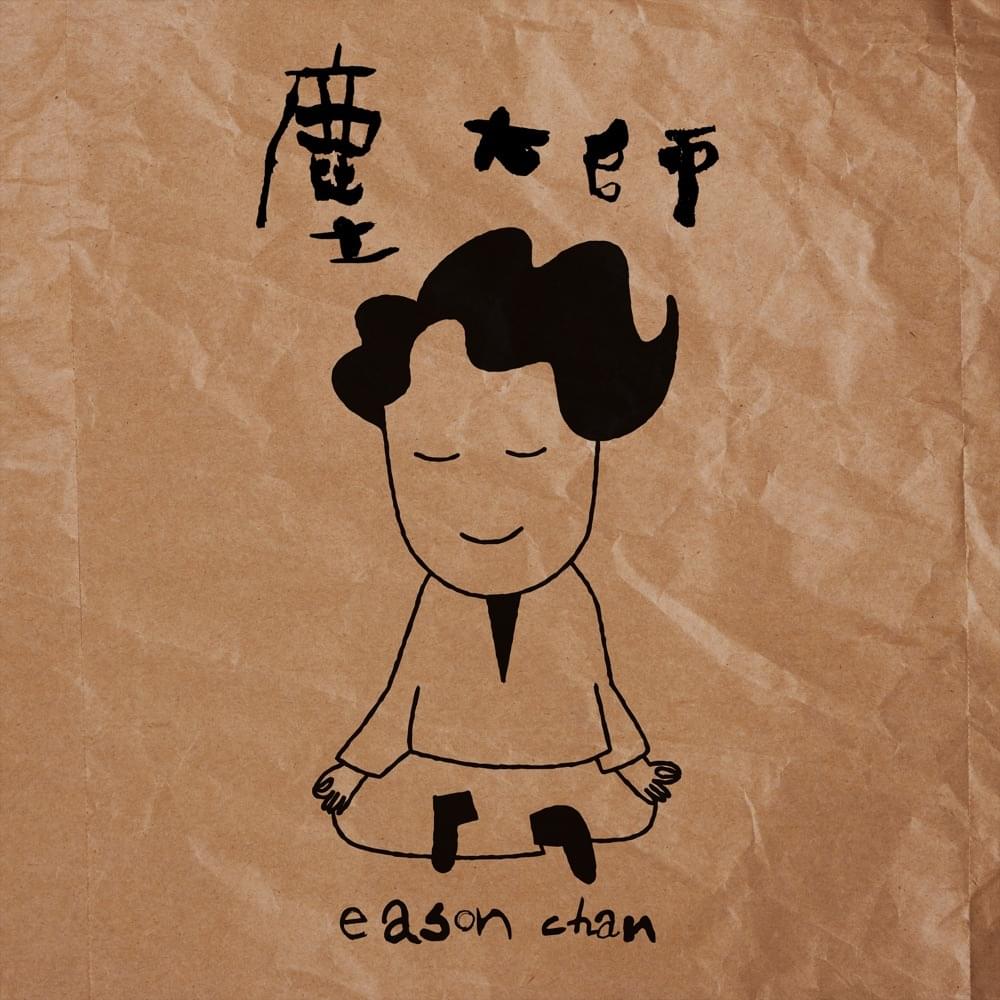
Ultimately, the effectiveness of these lyrics stems from their direct, almost blunt, articulation of a desire to disengage. The narrator doesn't shy away from the perceived laziness, even adopting the title "Dust Master." This self-awareness, coupled with the simple, repetitive affirmations of being "okay," creates a relatable, if somewhat extreme, portrait of someone trying to navigate life's complexities by simply letting go.
 View Artist