Song Meaning
The narrator drowns their sorrows in a bar, ordering drink after drink, trying to muster the courage to speak about a painful experience. They repeatedly tell themselves "it's okay," a phrase that rings hollow with each new order. This self-soothing quickly unravels as the bar's atmosphere mirrors their internal state, with a song playing that seems to narrate their own unfolding disaster.
The core tension lies in the narrator's desperate attempt to distance themselves from a crushing rejection, first by framing it as a friend's story, then by admitting it's their own. The lyrics present a double blow: a fleeting encounter that ends in immediate departure, echoing a prior, more significant abandonment by a fiancée. The contrast between the "艳遇" (romantic encounter) and the stark reality of a "家徒四壁" (bare, empty home) highlights the hollowness of the brief connection.
The most striking craft element is the blurring of identities and timelines. The narrator initially claims the story is a friend's, saying "客人們 不是我嚇跑的" (Customers, I didn't scare them away). However, they quickly backtrack, admitting "對不起 好像說成 是我的樣子" (Sorry, it seems I said it like it was me). This shift reveals a deep-seated insecurity and a desperate need to process the pain, even if it means projecting it onto a fictionalized version of themselves.
This lyrical construction is effective because it captures the messy, fragmented way people often process profound hurt. The repetition of "沒關係" (it's okay) acts as a mantra that fails to stick, mirroring the narrator's internal struggle. The narrative's collapse from a friend's tale to a personal confession makes the emotional weight of the rejection palpable, leaving the listener with a sense of shared vulnerability.
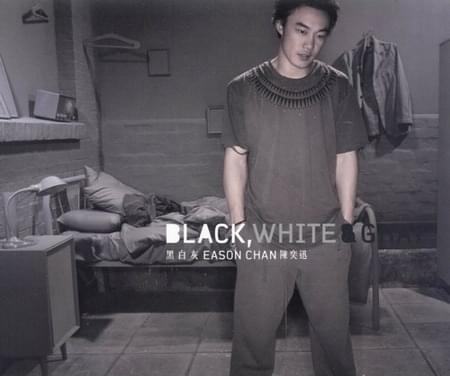
 View Artist