Song Meaning
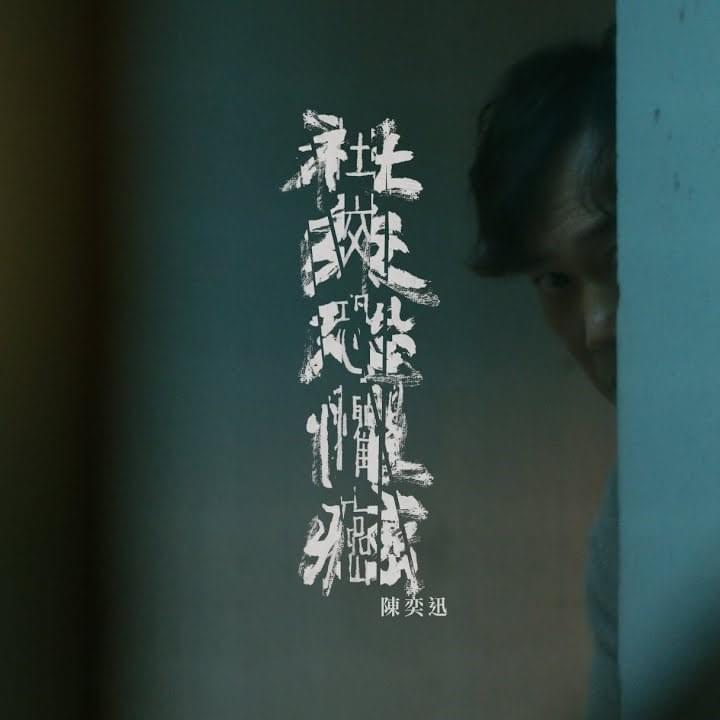
The lyrics paint a vivid picture of someone grappling with social anxiety, presenting it not just as a condition but as a self-diagnosed "cancer" they've come to embrace. The narrator describes a withdrawn demeanor, "lowering my head to eat my food," and a fear of miscommunication that prevents them from engaging, even when they possess a wealth of knowledge internally. This internal world is rich with observations about current events and relationships, a stark contrast to their outward silence and perceived inability to connect.
The central tension lies in the narrator's internal conflict between the desire for social interaction and the overwhelming fear that paralyzes them. They yearn for the "boasting" and admiration they imagine in social settings, wanting to be seen as articulate and wise. Yet, the lyrics reveal a deep-seated insecurity where "good people think I'm bad, bad people think I'm strange," suggesting a feeling of being misunderstood regardless of their actions or intentions.
A striking craft element is the repeated refrain that transforms from a description of their internal state to an embrace of their condition. Initially, the "social anxiety cancer" is a source of internal "explosion" and "high," but later, the narrator declares they "don't really want to solve it" and have "fallen in love with social anxiety cancer." This shift suggests a complex acceptance, finding a peculiar comfort or identity within their perceived limitations.
This song resonates because it articulates a common, yet often isolating, experience with profound honesty and a touch of dark humor. The lyrics capture the internal monologue of someone who feels both hyper-aware and incapable of expressing it, ultimately finding a strange liberation in accepting the very thing that holds them back. The final line, "Life has always just needed freedom," offers a poignant redefinition of freedom, suggesting it can be found not in outward connection, but in internal peace and self-acceptance, however unconventional.
 View Artist