Song Meaning
The lyrics paint a picture of a relationship's twilight, where the dawn is breaking and a departure is imminent. The narrator grapples with the lingering presence of a past love, questioning the physical and emotional remnants left behind. There's a poignant acknowledgment that even cherished possessions, like toys, eventually bring happiness before being let go, framing relationships similarly as choices that have run their course. This sets a tone of resigned melancholy, tinged with a desire for a gentler ending.
The central tension lies in the paradox of memory: if good times are unforgettable, why does the pain persist so strongly? The narrator proposes a desperate, almost surreal solution: to freeze time, to 'hug until dawn,' as if physical closeness could somehow erase the hurt or offer a form of absolution. This imagined scenario is a plea for a painless transition, a way to avoid the harsh reality of separation by clinging to the comfort of the past.
The most striking element is the stark contrast presented in the final lines of the chorus: 'Proving that feelings are always kind, the cruel thing is that people grow.' This line reframes the entire conflict, suggesting that the pain isn't inherent to the love itself, but a byproduct of natural human development and change. The desire to 'hug until dawn' is a wish to halt this growth, to preserve a moment before it's irrevocably altered by time and experience.
This song resonates because it articulates a universal ache: the difficulty of letting go and the painful realization that growth often necessitates loss. The lyrics capture the quiet desperation of wanting to rewind or pause time, to find solace in a familiar embrace even as the world outside is irrevocably shifting. It’s the quiet, internal battle against the inevitable march of time and personal evolution that makes this a deeply affecting reflection on love and its endings.
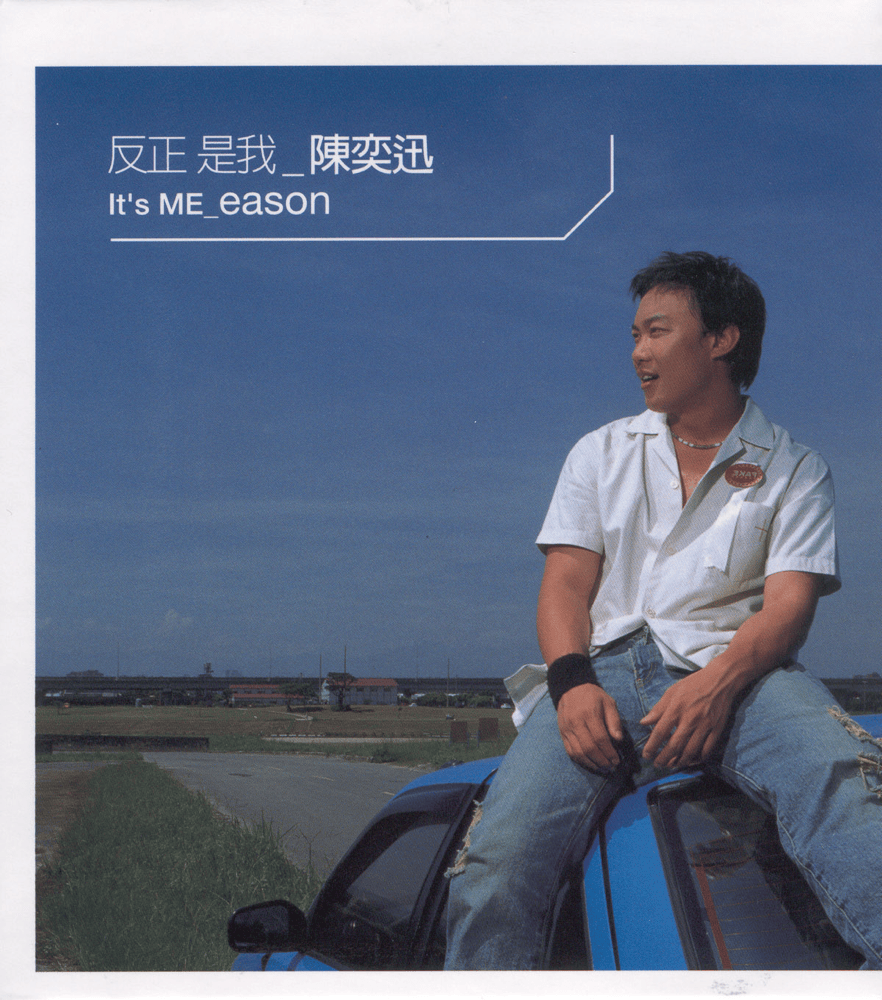
 View Artist