Song Meaning
This song paints a picture of solitary travel, a journey marked by a solitary figure facing harsh weather and a mix of past joys and sorrows. The narrator is sending letters, leaving behind lingering sadness in coffee shops, a poignant image of transient emotional residue. It's a scene of someone actively processing memories while physically moving through unfamiliar places, the act of writing becoming a way to contain and dispatch these feelings.
The core tension lies in the narrator's retrospective realization of missed opportunities for connection. The postcards, filled with tales from afar, are addressed to someone who seems to have been a constant, albeit unacknowledged, presence. The lyrics suggest a deep regret for not appreciating the fullness of shared experience, a feeling amplified by the current state of isolation and the echoes of past regrets. The narrator appears to be defining themselves through these past mistakes, a cycle of reflection that offers little immediate solace.
The craft here hinges on the contrast between the physical journey and the emotional stasis. While the narrator is a "traveller" in the literal sense, their heart remains "故步自封" (stuck in old ways). The repeated phrase "從前從不懂" (never understood before) underscores this arrested development. The act of sending postcards, meant to communicate distance and experience, paradoxically highlights the internal distance the narrator maintained from genuine connection, leading to the ultimate feeling of being left alone and in pain ("留下了我一個在痛").
This hits hard because it captures that universal ache of looking back and seeing precisely where things went wrong, not through external forces, but through one's own internal barriers. The lyrics articulate the specific pain of realizing that the very things you were seeking externally – new experiences, scenic views – were less important than the connection you failed to nurture. It's the quiet devastation of self-inflicted loneliness, amplified by the vastness of the world and the intimacy of memory.
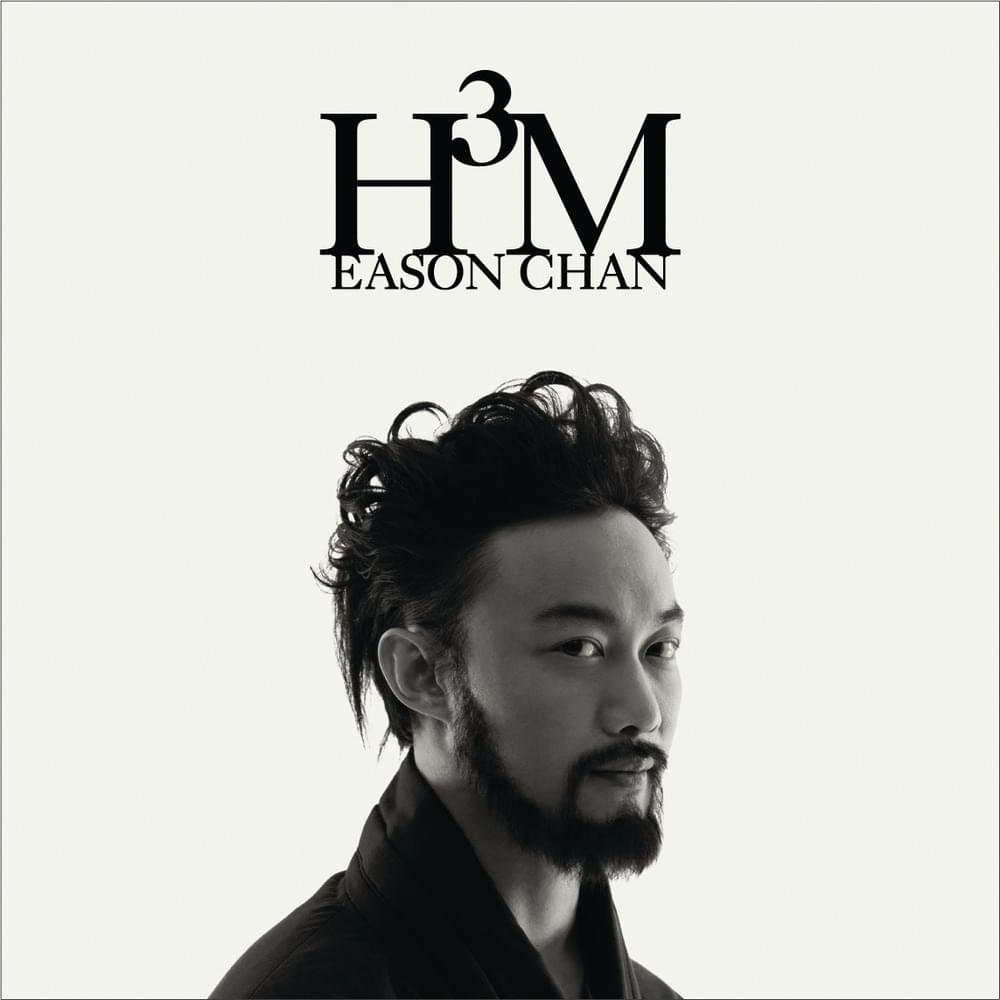
 View Artist