Song Meaning
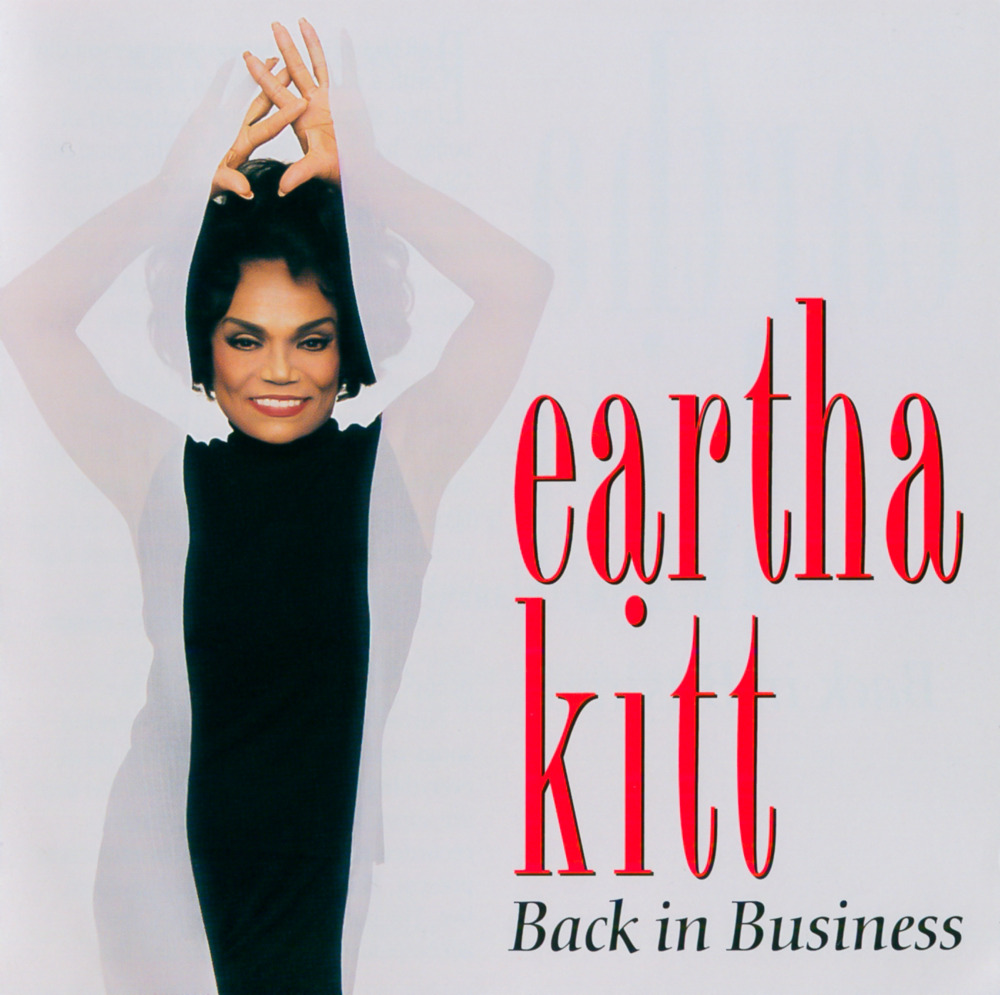
Eartha Kitt's "Let's Misbehave" isn't just a song; it's a dare, a wink, a velvet-gloved invitation to throw caution to the wind. Delivered with Kitt's signature purr, the track oozes a playful defiance, urging listeners to embrace the thrill of transgression, however small. The song's genius lies in its simplicity: a repeated mantra of "Let's misbehave!" acts as both a rallying cry and a release valve for societal pressures. It's a proposition whispered in a darkened corner, promising liberation from the mundane. The lyrics themselves paint a picture of intimacy and shared conspiracy; "We're all alone, no chaperon," sets the stage for a private rebellion against stuffy norms.
The song's references to Adam and Eve aren't merely biblical window dressing. They're a knowing nod to the primal urge to defy authority and indulge in forbidden pleasures. Kitt cleverly equates the listener's desire for mischief with the very foundations of human experience. The mention of Spring and "little lovebirds" further underscores the naturalness of this inclination, suggesting that misbehavior is not an aberration but an essential part of life's unfolding. Kitt isn't advocating for outright chaos, but rather for a conscious rejection of unnecessary constraints.
Ultimately, "Let's Misbehave" is about reclaiming agency and finding joy in the unexpected. The scatting sections add another layer of carefree abandon, reinforcing the idea that true freedom lies in uninhibited expression. The song's anachronistic reference to "nineteen twenty eight" hints at the flapper era's spirit of rebellion and sexual liberation, linking Kitt's message to a broader historical context of challenging social mores. Eartha Kitt's song meaning goes beyond mere fun; it's a call to embrace our inner wildness and dance on the edge of societal expectations.
 View Artist