Song Meaning
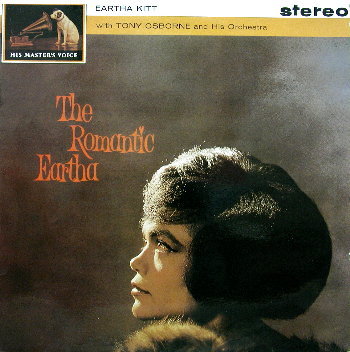
Eartha Kitt's rendition of "In the Still of the Night" isn't just a serenade; it's a psychological portrait painted in moonlight. The song captures that agonizing space between hope and doubt, a space all too familiar in the landscape of love. The lyrics aren't a declaration, but an anxious inquiry whispered into the darkness. Kitt's voice, with its distinctive blend of purr and tremor, perfectly embodies this vulnerability. She's not demanding answers, she's confessing a fear. The moon, a recurring symbol, isn't just romantic; it's a fickle witness, its light both illuminating and obscuring the truth. The question, "Do you love me just like I love you?" hangs heavy, less a plea for reassurance and more a confrontation with the singer's own insecurities.
The true genius of the song meaning lies in its understanding of limerence. Kitt isn't singing about requited love, but rather the precarious balance of projecting one's desires onto another. The lines, "Are you my life to be / That dream come true," reveal a yearning that borders on desperation. This isn't a celebration of partnership; it's an exploration of the self, reflected and refracted through the imagined gaze of a lover. The "dream" isn't a shared reality, but a fragile construct threatened by the possibility of rejection.
Ultimately, "In the Still of the Night" resonates because it taps into the universal fear of unreciprocated devotion. The final image of the moon "growing dim / Way out on the rim of the hill" isn't just a visual metaphor for fading love; it's an existential dread. The song's power resides not in its resolution, but in its raw, unflinching portrayal of the emotional tightrope we walk when we dare to lay our hearts bare. Eartha Kitt doesn't just sing the song, she inhabits the feeling, leaving the listener suspended in that same unsettling, beautiful darkness.
 View Artist