Song Meaning
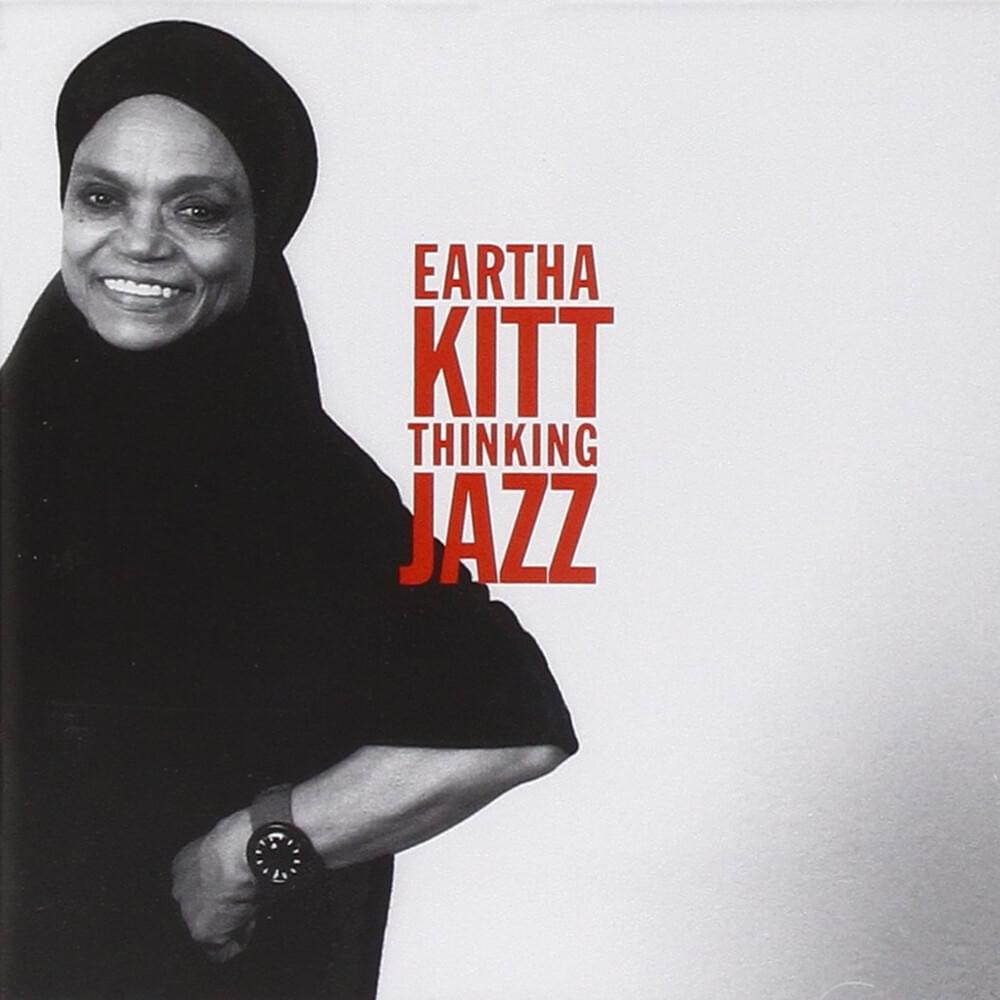
{"song_id": 14696063, "meaning": "Eartha Kitt's rendition of \"God Bless The Child\" isn't just a song; it's a stark lesson in self-reliance, delivered with the cool detachment that made Kitt a legend. The song meaning, at its core, is about the brutal economic realities that disproportionately affect the vulnerable. Kitt doesn't offer comforting platitudes, but a clear-eyed assessment of a world where resources are hoarded and independence is the only real security. The opening lines, a paraphrase of Matthew 25:29, set the tone: the haves get more, the have-nots lose. It's a bleak pronouncement, devoid of sentimentality. Kitt's delivery, however, infuses the lyrics with a world-weary understanding.
The recurring line, \"Mama may have, Papa may have, But God bless the child that's got his own,\" is the song's central thesis. Parental support is acknowledged, but ultimately deemed insufficient. The true blessing, the real salvation, lies in self-sufficiency. It's a pragmatic, almost cynical view of family and fortune. The song subtly critiques the performative generosity of the wealthy. \"Rich relations give crust of bread and such,\" Kitt sings, highlighting the condescension often embedded in charitable acts. It's not about genuine support, but maintaining a power dynamic. The lyrics paint a picture where relying on others is a fool’s errand, and self-reliance is the only viable path to survival.
\"God Bless The Child\" resonates because it speaks to a primal fear: the fear of being dependent and vulnerable. Eartha Kitt's interpretation strips away any romantic notions of charity or familial support, leaving behind a raw, almost Darwinian view of existence. The song's power lies in its unflinching honesty and the chilling recognition that, in a world of limited resources, having \"your own\" is the only true blessing."}
 View Artist