Song Meaning
The lyrics paint a picture of an existence adrift between cosmic and earthly scales. The opening lines establish a sense of being suspended, caught between the divine "God" and the tangible "mountains," immediately posing a question of location and purpose: "Where will I be?" This existential uncertainty is amplified by the vastness of "Solar systems," suggesting a perspective that dwarfs human concerns.
The central tension arises from the juxtaposition of immense, enduring entities and their inevitable decay. While "God and mountains" initially seem permanent, they are described as "turning into dust" and the "scorched earth is dying." This imagery of decline and destruction creates a profound sense of impermanence, even for the seemingly eternal, hinting at a cyclical process of creation and dissolution.
The most striking aspect is the cyclical, almost geological, perspective on existence and divinity. The phrase "To return after many ages" suggests a belief in eventual renewal, even after complete decay. The act of "removing Gods" and the dying "scorched earth" imply a grand, perhaps cosmic, reset button is being pushed, with the narrator's own existence caught in this immense, slow-motion transition.
This lyrical approach is effective because it grounds abstract concepts of divinity and existence in stark, physical imagery. The contrast between the personal question "Where will I be?" and the immense scale of "Solar systems" and "many ages" creates a powerful emotional resonance, highlighting the profound loneliness and awe of contemplating one's place within a universe of constant change and eventual oblivion.
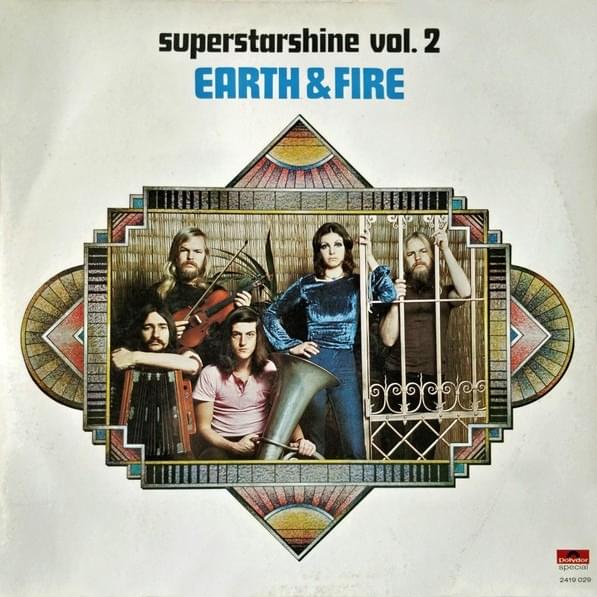
 View Artist