Song Meaning
The lyrics paint a picture of a chaotic, almost absurd modern existence, dubbed the "twenty-first century show." There's a pervasive sense of unease and futility, with people "marching and moaning and crying / And dying in no time." This frantic energy is likened to "home-lost pigeons," suggesting a lack of direction and an underlying anxiety. The repeated invitation to the "merry-go-round" feels less like an escape and more like a cyclical, meaningless activity, especially since "nothing there they really need."
The central tension seems to lie between the relentless march of progress and a deep-seated human vulnerability. Even "neuro-surgeons are dreaming / Of more and more," highlighting an insatiable drive that borders on desperation, as they are "begging and begging / 'Oh please' at your door." This pursuit of more, coupled with the narrator's observation of a "fool" who remains "cool" despite being from the "twentieth centuries' fool," suggests a critique of societal values and the often-hollow nature of ambition.
The most striking element is the juxtaposition of advanced technology with fundamental human anxieties. The "technical friend" is presented as potentially "deadly," raising questions about our reliance on it and whether "wisdom survive this." This technological advancement is contrasted with the simple, almost primal desire to "go to the merry-go-round," a symbol of perhaps childish or escapist desires that are ultimately unfulfilling. The final lines, however, offer a glimmer of hope, focusing on the sun and its enduring light, a stark contrast to the manufactured and potentially dangerous aspects of the "twenty-first century show."
Ultimately, the lyrics resonate because they capture a feeling of being overwhelmed by the pace and demands of modern life. The cyclical imagery of the merry-go-round and the relentless pursuit of 'more' create a sense of unease, while the questioning of technology and the final embrace of natural light suggest a yearning for something more genuine and enduring amidst the spectacle. The writing effectively uses simple, evocative images to convey complex feelings about progress and its discontents.
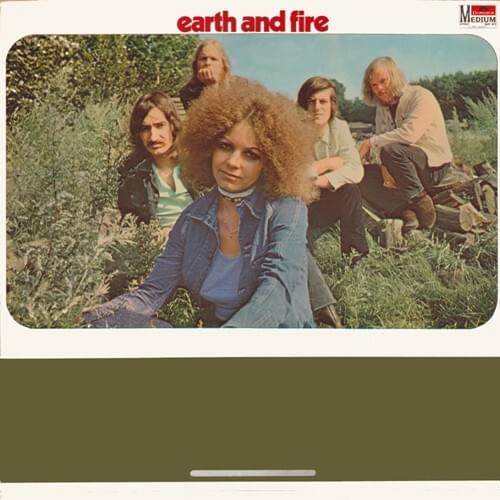
 View Artist