Song Meaning
The lyrics paint a picture of a relationship defined by absence and a lingering, unfulfilled presence. The opening lines establish a scene of intimacy, yet immediately undercut it with the stark declaration, "She can come but she can't stay." This sets up a core tension: a physical closeness that is temporary and ultimately unsatisfying for one party. The repeated phrase "she can wait, though" becomes a refrain of resignation, highlighting a passive endurance in the face of this transient connection. It suggests a deep well of patience, or perhaps a forced stillness, as she weeps and waits.
The narrative then shifts to the male perspective, revealing a similar theme of possession without permanence. "He can hold but he can't keep" mirrors the earlier sentiment about her inability to stay. The imagery of extracting something "from a photograph" implies a reliance on memory or static representations rather than a living, evolving connection. This "weight of the dream" seems to be what ultimately causes him to break, suggesting his own inability to sustain the illusion or the reality of the relationship.
The most striking element is the stark contrast between the intimate, almost dreamlike descriptions of their nightly interactions and the bleak, fragmented imagery of the morning. "Morning swallowed / Downtown / Throwing matches at your feet" evokes a sense of destruction and waste, a stark aftermath to the night's events. The "heavy" matches, "all burned down / By the time the planet sleeps," serve as a potent metaphor for extinguished hopes or efforts that ultimately amount to nothing, leaving only ashes by the end of the day.
This lyrical construction effectively conveys a profound sense of melancholy and the quiet desperation of holding onto something that is inherently fleeting. The cyclical nature of the waiting and weeping, juxtaposed with the imagery of burning and being swallowed, creates an emotional landscape where connection is perpetually sought but never truly grasped. The effectiveness lies in its understated portrayal of emotional exhaustion, where the most powerful moments are not grand declarations but the quiet, repeated admissions of inability to hold on or to stay.
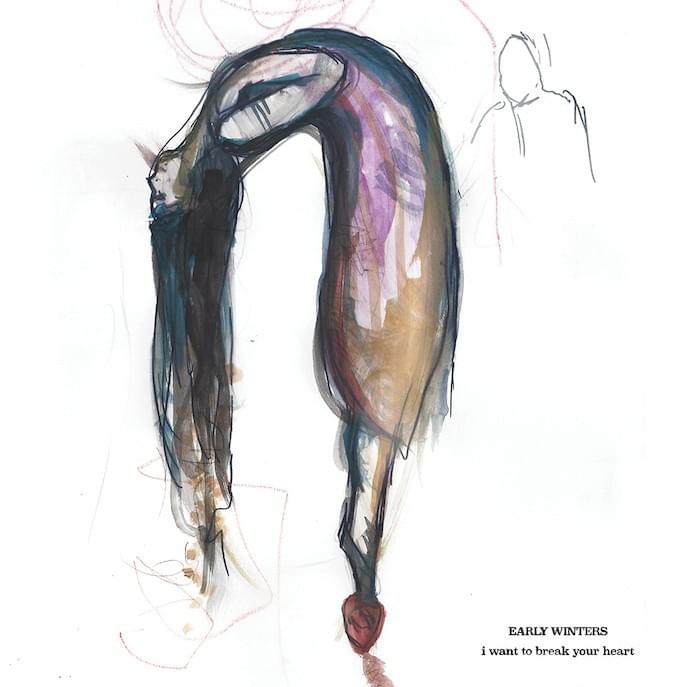
 View Artist