Song Meaning
Earl Thomas Conley's "Home So Fine" isn't just a country lament; it's a sophisticated autopsy of loss, viewed through the lens of rural transformation. The song's gentle melody belies a deep-seated anxiety about progress and its inevitable casualties. The lyrics paint a vivid picture of a landscape altered beyond recognition, mirroring the protagonist's own emotional displacement. It's a poignant exploration of how external changes can trigger internal turmoil, leaving one feeling adrift in a world that no longer resonates with their past. Conley isn't merely singing about lost landmarks; he's dissecting the psychological impact of erasure. The destruction of "pretty little shacks," the beloved country road, and the fishing hole aren't just infrastructural changes; they represent the dismantling of a personal history, a severing of ties to a simpler, more innocent time.
The chorus, with its simple declaration, "Home so fine, you were mine / At least 'til I was grown," carries the weight of regret and the sting of belated appreciation. It's the classic trope of not knowing what you've got 'til it's gone, but Conley infuses it with a particular kind of world-weariness. There's a sense that the loss of this idyllic home was not only inevitable but also a consequence of the speaker's own maturation. As he grew, so did the world around him, leaving behind the innocence and simplicity he once cherished. The line "It just goes to show a man don't know / A good thing 'til it's gone" is more than just a cliché; it's a stark realization of the human tendency to take comfort and stability for granted.
"Home So Fine" subtly unpacks the complex relationship between memory, identity, and place. The physical destruction of the landscape becomes a metaphor for the erosion of the past and the fragmentation of the self. The new highway, a symbol of progress and connectivity, ironically becomes an instrument of disconnection, severing the speaker from the very roots that once defined him. In this context, the song becomes a powerful meditation on the bittersweet nature of nostalgia and the enduring human need to find a sense of belonging in a world that is constantly changing.
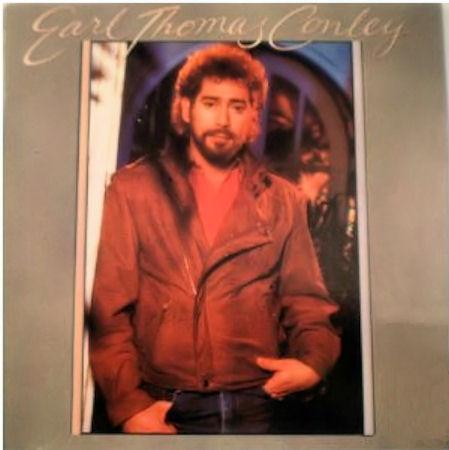
 View Artist