Song Meaning
Eagle-Eye Cherry's "Shooting Up In Vain" isn't a glorification; it's a stark portrait of addiction's cyclical torment. The song meaning resides in its unflinching depiction of a life caught in repetition. The opening lines, "Waking up as the sun goes down / Body all in pain," immediately establish a world of nocturnal desperation and physical suffering, a state from which the protagonist seeks escape, however temporary. The recurring phrase, "Shooting up in vain," underscores the futility of this pursuit, a hollow promise that never delivers lasting relief, only perpetuates the cycle of pain and longing. The almost throwaway line "Slips all his money to the man / Here we go again" is laced with bleak resignation. It's not just about the money; it's about the surrender of agency. He knows how this plays out, yet he's powerless to stop it. The lyrics analysis reveals an individual trapped in a loop of self-destruction, driven by an insatiable need for an elusive high.
The chorus offers a brief glimpse of hope, quickly extinguished. "So he heads for the closest rooftop / And now he's free with the skyline behind" suggests a moment of transcendence, a fleeting escape from the physical and emotional prison of addiction. However, the subsequent lines, "But it won't be long until his high will drop / Then you know what he'll try to find," serve as a brutal reminder of the temporary nature of this freedom. The high is always fleeting, and the inevitable crash sends him spiraling back into the same destructive patterns. The repetition of "Such a shame" throughout the song acts as a mournful refrain, a lament for the wasted potential and the tragic consequences of addiction.
As the song progresses, the protagonist's desperation intensifies. He sells his wedding ring, symbolizing the further erosion of his life and relationships. The line "But now he's sold exactly everything" highlights the all-consuming nature of addiction, which strips away not only material possessions but also dignity, love, and hope. The final verse, with its imagery of "a one-way ticket on a derailed train," encapsulates the irreversible trajectory of his self-destruction. The reference to "Dr. Jekyll and Mr. Hyde" speaks to the internal conflict raging within the addict, the battle between the desire for recovery and the overwhelming compulsion to use. Ultimately, "Shooting Up In Vain" is a powerful and poignant commentary on the devastating impact of addiction, a cautionary tale of a life lost in the relentless pursuit of a fleeting escape.
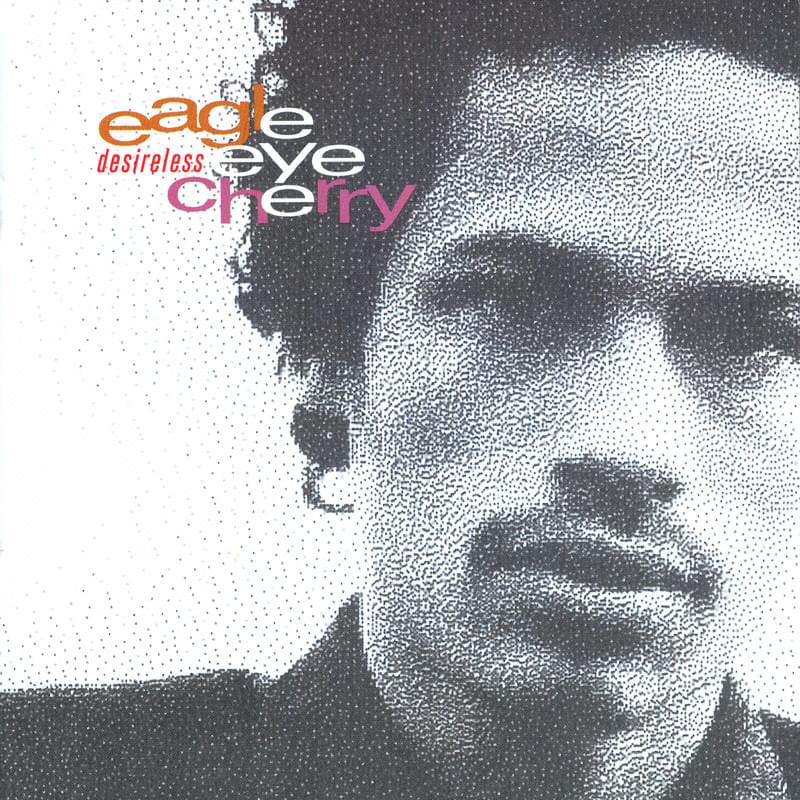
 View Artist