Song Meaning
The lyrics paint a stark picture of internal emotional turmoil, where the narrator is trapped in a self-created reality. They describe flying and falling within themselves, preserving every moment and dreaming of a past tenderness. This internal world is where they confess their love, suggesting a profound disconnect between their inner experience and any external relationship. The dominant tone is one of deep, self-imposed isolation and a desperate clinging to a memory that may never have been fully reciprocated.
The central tension arises from the narrator's plea: "Ne budi me, ne ljubi me" (Don't wake me, don't kiss me). This isn't a rejection of affection, but a desperate attempt to preserve a fragile internal state. They explicitly state, "Kada znam da me nisi / Nikada ni volela" (When I know you never loved me), revealing the painful awareness that the love they cherish exists only within their own mind. The desire to "Pusti me da umrem sam" (Let me die alone) underscores a profound resignation and a rejection of any external comfort that would shatter this self-contained, albeit painful, existence.
The most striking aspect of the craft is the pervasive use of the internal "u sebi" (within myself). This repetition anchors the entire narrative in the narrator's psyche, emphasizing that their experiences – the joy, the pain, the love, the forgiveness – are all happening internally. The contrast between the vivid internal life and the implied absence of a real, reciprocal relationship creates a powerful sense of melancholy. The post-refrain, with its falling night and "Ne želim spas" (I don't want salvation), further solidifies this theme of embracing the darkness and rejecting external help.
Ultimately, these lyrics resonate because they articulate a specific kind of heartbreak: the pain of loving someone who may not love you back, amplified by the choice to retreat into a solitary, internal world. The narrator's insistence on not being woken or kissed, despite the internal longing, highlights the complex, self-destructive nature of holding onto a memory or an idealized version of a relationship. The final, stark "Al' nema nas, nema nas" (But we don't exist, we don't exist) seals the tragic realization that the envisioned connection was never truly there.
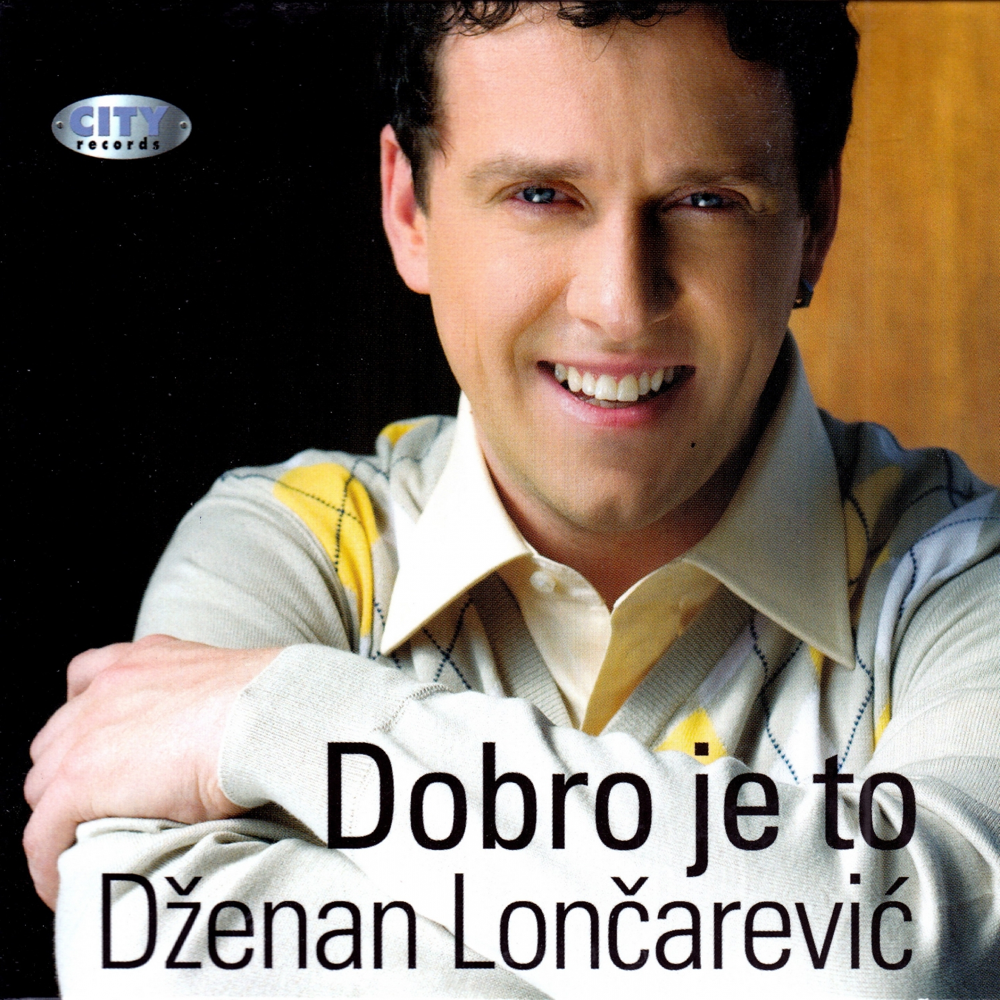
 View Artist