Song Meaning
The lyrics paint a picture of a transactional and status-obsessed world, where relationships and self-worth are measured by wealth and material possessions. The opening line, "Babe wake up, Duwap posted," immediately grounds the narrative in a specific online culture, hinting at a constant need for external validation or updates. The chorus establishes a stark contrast: one woman is promiscuous and self-proclaimed royalty, while the narrator's own partner is focused on money, a trait he appreciates. He emphasizes his own designer attire, dismissing cheaper alternatives, and reveals a desire for wealth that could lead to anonymity – being "fameless."
The narrator navigates a landscape fraught with suspicion and superficiality. The mention of "12" (police) triggers anxiety, suggesting a life lived on the edge. He dismisses those who are broke and questions their financial standing, revealing a disdain for poverty. His desires are explicitly stated: a partner who is both submissive and sexually adventurous, and crucially, brings financial benefit. The lyrics repeatedly question the value of interactions if money isn't involved, highlighting a transactional view of human connection.
The most striking aspect of the writing is the blunt, almost detached way the narrator discusses relationships and desires. He uses loaded terms like "fucking everybody" and "hoes" with a casualness that underscores the perceived lack of genuine connection. The repeated emphasis on "money" and the desire to be "fameless" suggests that true recognition or love is less important than financial security and the ability to opt out of the superficiality he observes. The lyrics present a worldview where material gain trumps emotional depth, and even intimacy is framed through a lens of financial transaction.
This raw, unfiltered perspective is what makes the lyrics hit hard. They offer a glimpse into a mindset where status symbols and financial transactions are paramount, stripping away any pretense of romance or deep emotional bonding. The narrator's desire to be "fameless" is particularly telling; it’s not about seeking fame, but about achieving a level of wealth that allows him to exist outside the need for external validation, a cynical aspiration born from observing a world he views as inherently superficial and driven by money.
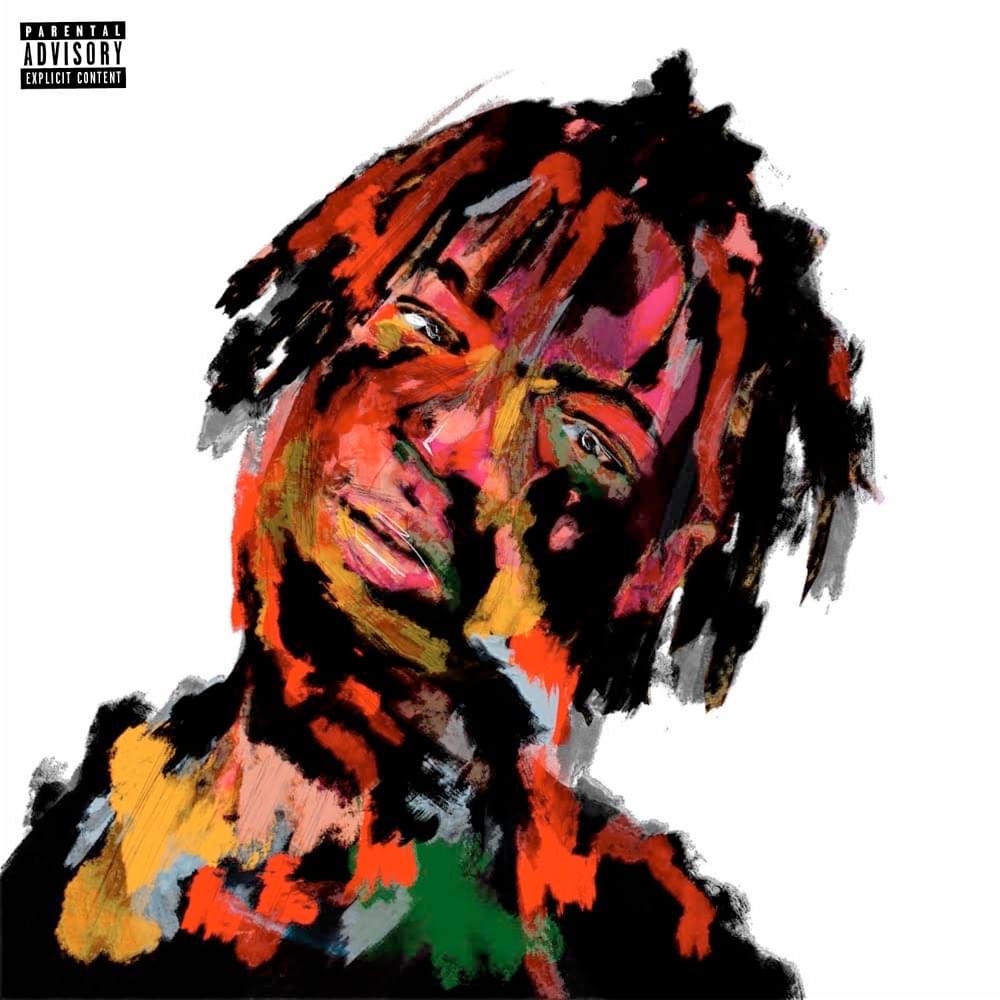
 View Artist