Song Meaning
The lyrics paint a picture of a woman who, despite her sophisticated urban surroundings, yearns for a different kind of life. She's surrounded by symbols of wealth and status – "fancy ties," "pinstripe suits," "Soho flat," and luxury vehicles – yet these don't fulfill her deeper desires. The repeated contrast between her current environment and her true preference highlights a core tension: the allure of the wild, untamed West versus the polished predictability of city living.
The central conflict emerges from this juxtaposition. While her life might appear enviable from the outside, the narrator suggests she's seeking something more elemental and free. The imagery of "wide open" spaces, "Cheyenne wind," and "no fences" speaks to a desire for liberation and a life unburdened by convention. This yearning is personified by the "cowboy" figure, representing a romanticized ideal of rugged individualism and authentic connection.
The most striking craft element is the persistent, almost mantra-like repetition of "she wants a cowboy." This refrain, coupled with the parallel structure of listing urban accoutrements only to dismiss them with a preference for a cowboy's world ("But she likes boots," "But she likes hats," "But she likes horses"), hammers home the central theme. The shift in the final stanza, where the narrator inserts himself as the one fulfilling her desire, provides a satisfying resolution, transforming the abstract yearning into a personal victory.
Ultimately, these lyrics resonate because they tap into a universal fantasy of escape and authenticity. The writing effectively uses concrete, contrasting images to build a compelling narrative of desire. The simple, direct language and the powerful, recurring chorus make the emotional core of the song – the longing for a life less ordinary and the joy of finding that life with someone – immediately accessible and deeply felt.
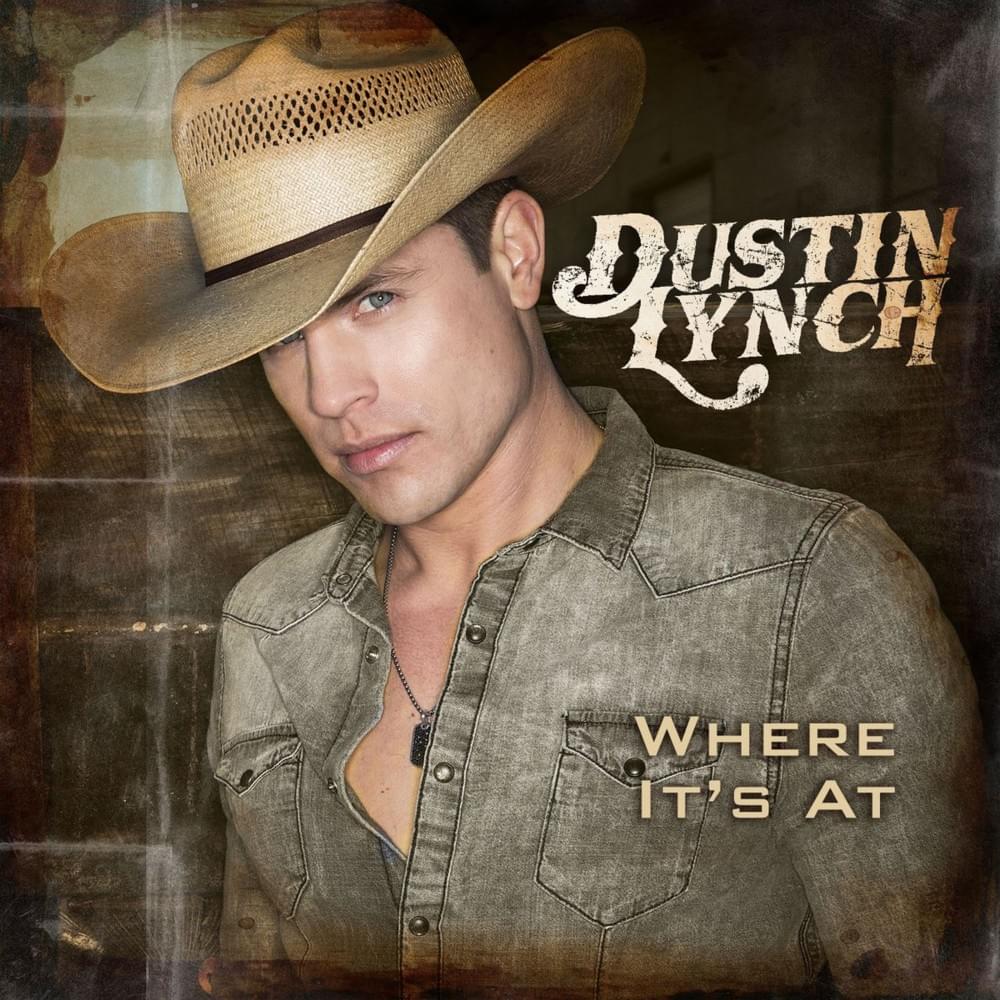
 View Artist