Song Meaning
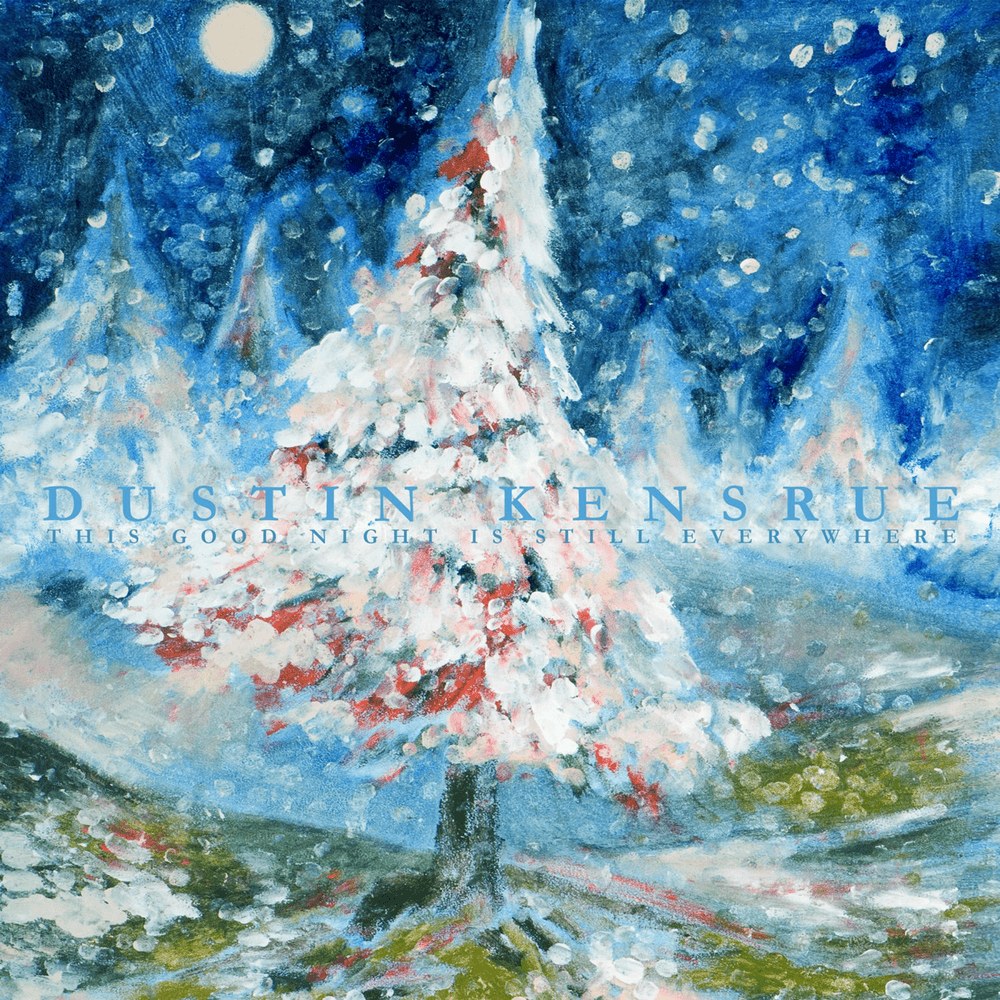
Dustin Kensrue's rendition of "O Holy Night" isn't just a Christmas carol; it's a psychological reckoning with hope. The song's power lies in its stark contrast between a world "in sin and error pining" and the sudden, transformative arrival of something divine. It speaks to the deep human yearning for redemption, that inherent sense of worth that slumbers until awakened by an external force. Kensrue, known for his emotionally raw delivery, taps into that primal need for meaning, reminding us that even in weariness, the possibility of a "new and glorious morn" persists. The lyrics aren't subtle; they're a full-throated embrace of faith as a catalyst for personal and collective liberation.
Beyond the religious narrative, "O Holy Night" explores the radical potential of love and empathy. The lines about breaking chains and ending oppression aren't mere platitudes. They suggest that true spiritual awakening necessitates a dismantling of systemic injustice. The song posits that Christ's gospel is not just about personal salvation, but about actively working to create a more just and equitable world. This interpretation aligns with a socially conscious understanding of faith, one that demands action and accountability. The repeated calls to praise aren't just empty gestures of worship, but a rallying cry for continued effort.
Ultimately, Dustin Kensrue’s take on "O Holy Night" functions as both a celebration and a challenge. It’s a reminder of the transformative power of hope, the inherent worth of the individual, and the imperative to fight for a world where "oppression shall cease." It's a sophisticated understanding of the human condition, acknowledging our flaws while simultaneously holding space for the possibility of profound change. The "Night Divine" isn't just a historical event; it's a continuous invitation to embrace love, justice, and the ongoing pursuit of a better world.
 View Artist