Song Meaning
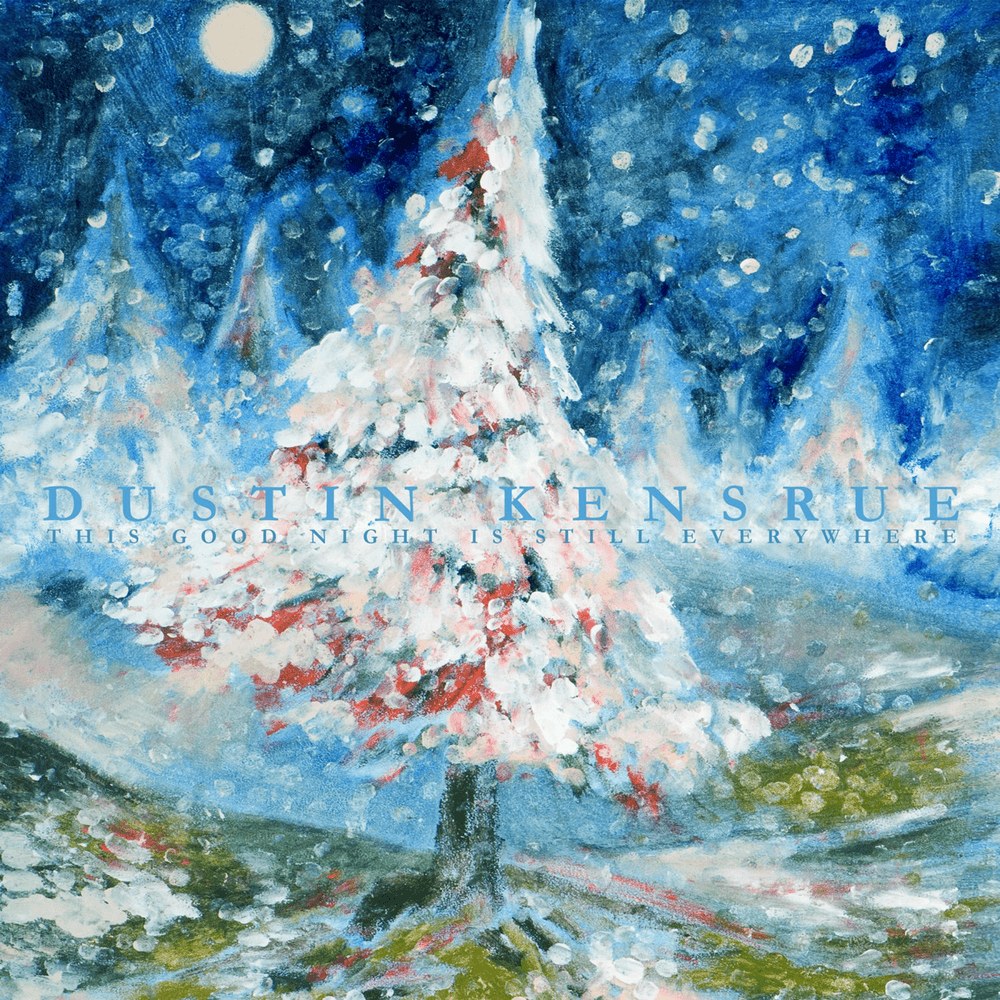
Dustin Kensrue's rendition of "Hark! The Herald Angels Sing" isn't just another Christmas carol; it's a concentrated dose of theological hope, meticulously crafted and delivered with a sincerity that cuts through the saccharine sentimentality often associated with the season. The song, at its core, is a proclamation of reconciliation, a bridge built between the divine and the flawed. It speaks directly to the human condition, where 'God and sinners reconciled' suggests a profound shift in the cosmic order, an invitation to move beyond inherent limitations. The 'newborn King' isn't just a historical figure; he's a symbol of renewed potential, a second chance baked into the very fabric of existence.
The phrase 'Prince of Peace' immediately evokes a longing for tranquility in a world perpetually teetering on the edge of chaos. But Kensrue's delivery, and the inherent weight of the lyrics, hints at a deeper, more personal peace – an internal resolution made possible through faith. The 'Son of Righteousness' imagery paints a picture of moral clarity, a guiding light in the often-murky waters of ethical decision-making. The 'healing in His wings' isn't just a poetic flourish; it suggests a restorative power, an ability to mend the wounds inflicted by both the world and ourselves. The lyrics propose that true healing isn't merely physical, but a holistic restoration of the spirit.
Ultimately, Kensrue's take on "Hark! The Herald Angels Sing" transcends the surface-level celebration of a holiday. It's an invitation to consider the transformative potential within the narrative itself. The song’s 'Second Birth' isn’t just about religious conversion; it's about the possibility of radical self-improvement, a chance to shed old skins and embrace a more authentic version of oneself. It’s a potent message, delivered with the kind of earnest conviction that makes you stop and actually listen – not just to the music, but to the quiet yearnings within your own soul.
 View Artist