Song Meaning
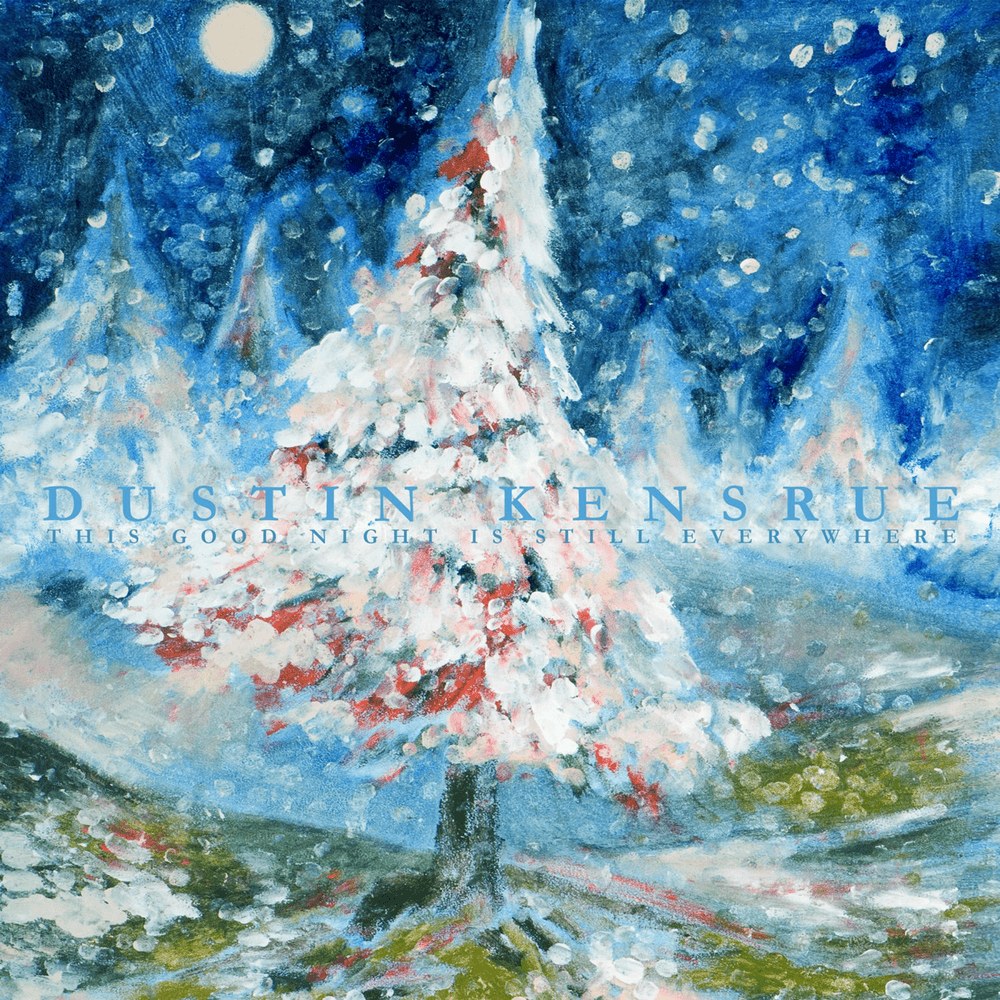
Dustin Kensrue's rendition of "Blue Christmas" casts a long shadow of seasonal melancholy. Stripped of any pretense of holiday cheer, the song, through Kensrue's interpretation, becomes a raw study in absence and the isolating sting of memory. The color blue, traditionally linked to sadness, permeates every line, transforming the festive imagery into emblems of loss. The "decorations of red on a green Christmas tree" offer no solace; instead, they amplify the void left by a departed loved one. It's a stark contrast: a world continuing its traditions, oblivious to the personal grief consuming the singer.
The lyrics trade in simple, direct language, yet their emotional weight is undeniable. "Blue snowflakes start falling" not only signifies winter but also the onset of painful recollections. The repeated assertion, "I'll have a blue, blue Christmas," acts as both a lament and a resigned acceptance. There's no fight left, no attempt to mask the sorrow. It's a vulnerability laid bare, a confession of how deeply intertwined personal happiness can be with the presence of another person, especially during a time ostensibly meant for joy.
Kensrue's specific musical choices—likely the arrangement and vocal delivery—undoubtedly contribute to the song's overall feeling. The effectiveness of "Blue Christmas," particularly in this rendition, lies in its unflinching portrayal of loneliness. It acknowledges the reality that for many, the holidays aren't a time of celebration but a stark reminder of what's missing. The "Christmas of white" the absent person enjoys further accentuates the singer's isolation. It's a poignant exploration of how personal grief can hijack even the most universal of experiences, turning a season of light into one of profound darkness. The song meaning, therefore, transcends a simple breakup ballad; it's a meditation on the enduring power of absence.
 View Artist