Song Meaning
The lyrics paint a picture of exhaustion and a desperate need for release. There's a sense of being worn down, of actions that lead to a loss of self, all underscored by the fading presence of someone important. The opening lines, "Waste away till you're all used up / Walk away till you lose your touch," immediately establish a tone of depletion and detachment. This isn't a dramatic exit, but a slow erosion, a gradual fading until a crucial connection is severed because "someone won't be there anymore."
The core tension seems to stem from an inability to escape a recurring, damaging cycle. The phrase "Lost again in the same old muss" points to a frustrating loop, a familiar mess that the narrator can't break free from. This feeling is amplified by the acknowledgment that past experiences, while remembered, offer no solace or solution: "I remember how it was once / But memories don't do me any good." The past is a ghost, not a guide, highlighting the present struggle.
The most striking aspect is the raw admission of being overwhelmed, culminating in the repeated, almost desperate plea, "Oh I just can't take it anymore." This isn't a plea for help, but a statement of absolute limit reached. The subsequent lines, "Let it come get the best of us / Letting go 'cause it takes too much," suggest a surrender, not to defeat, but to a necessary cessation of effort. It's an acceptance that the struggle itself has become too costly, leading to a final, resigned letting go.
This lyrical approach is effective because it taps into a universal feeling of being depleted by persistent struggle. The simple, direct language and the repetition of key phrases like "anymore" and "don't do me any good" create a sense of weary finality. The narrator isn't fighting anymore; they're simply stating the end of their capacity, making the emotional weight of the lyrics feel heavy and earned.
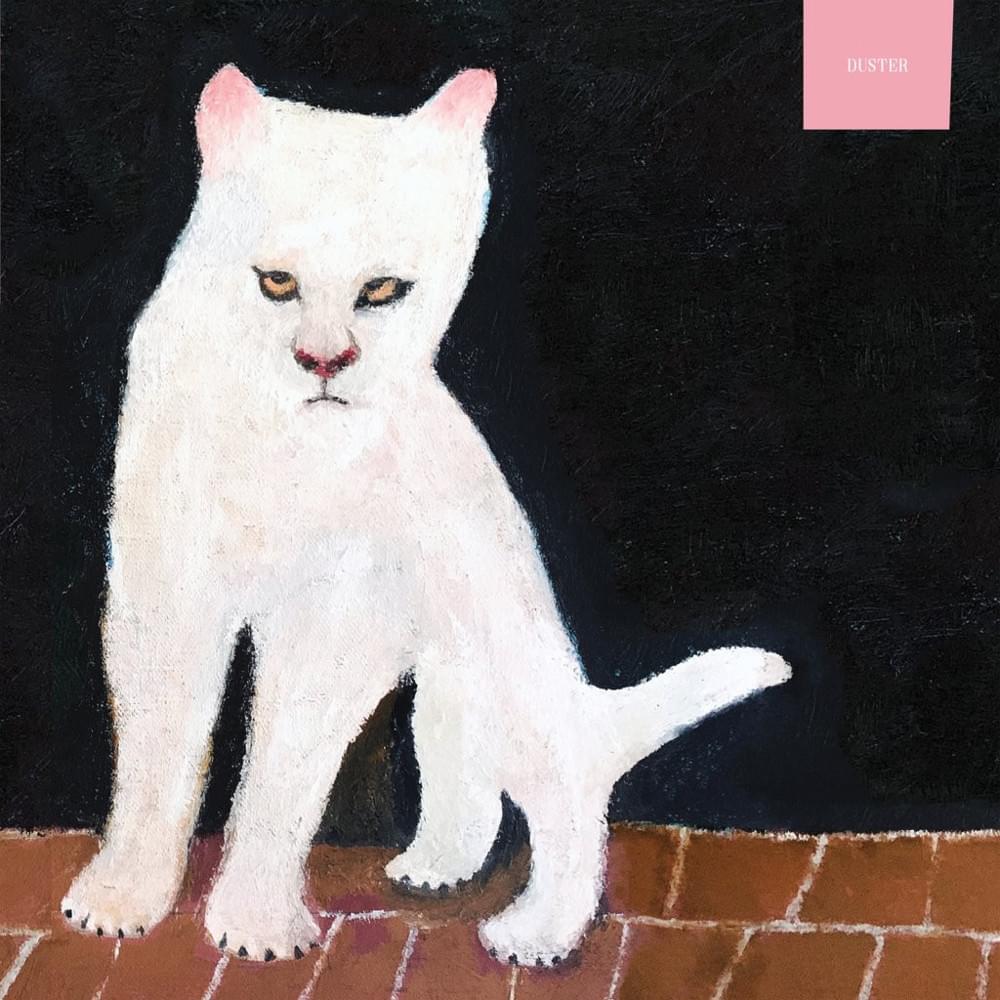
 View Artist