Song Meaning
The lyrics paint a picture of emotional detachment, where "dead eyes" signify a profound emptiness, yet paradoxically, this void might conceal hidden truths. The narrator grapples with the idea that outward appearances can be deceiving, suggesting that a lack of visible emotion doesn't equate to transparency or moral clarity. This sets up a central tension: the struggle to discern genuine feeling or intent from a blank slate, questioning what can truly be known about another person.
The core conflict seems to revolve around a transactional, perhaps resigned, exchange within a relationship. The repeated refrain, "That's all I / Ever get used to get / And that's all I / Give to you," implies a limited capacity for emotional investment or a cycle of receiving and returning only what has become familiar, even if it's insufficient. This suggests a relationship stuck in a rut, defined by a mutual, perhaps unconscious, acceptance of a low emotional baseline.
The recurring phrase "It doesn't mean you're gonna make it right" acts as a persistent, almost haunting, refrain. It underscores a sense of futility and the difficulty of genuine repair or positive change, even when opportunities arise, like the "never too late to decide" moment. The lyrics suggest that simply recognizing a problem or the passage of time doesn't guarantee a positive outcome, highlighting a pervasive pessimism about the possibility of redemption or improvement.
Ultimately, the effectiveness of these lyrics lies in their stark, almost bleak, portrayal of emotional limitations and the quiet resignation that follows. The repetition of key phrases creates a sense of being trapped in a loop, mirroring the narrator's own perceived inability to offer or receive more than what is habitually exchanged. The ambiguity of "dead eyes" and the repeated negations leave the listener contemplating the unspoken and the unchangeable, resonating with the quiet despair of knowing things might be bad, but feeling powerless to fix them.
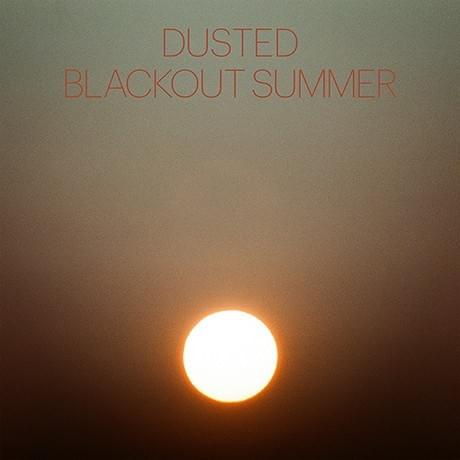
 View Artist