Song Meaning
This track paints a vivid picture of a captivating woman who has stirred up a whole town. The opening verse establishes her as a striking presence, with her "blue hair, short skirt," making her irresistible to everyone from the young to the old, even the boatmen and fishermen. She's described as causing a stir, like waves, affecting all the river folk. The repeated phrase "Mala plava sa Dunava" acts as both an identifier and an incantation, emphasizing her allure and her connection to the Danube River.
The central tension arises in the second verse when the narrator reveals his heartbreak. While the Danube's waters still flow and ships still sail, his "little blue one" has left him for someone else. This contrast between the ongoing, indifferent flow of the river and his personal loss highlights the depth of his sorrow. He laments that she took his dreams, yet his love for her persists, creating a poignant conflict between past joy and present despair.
The lyrics masterfully use the Danube as a backdrop and a metaphor for the passage of time and the narrator's longing. In the third verse, the narrator imagines a scenario where he could find her, suggesting that even the river itself would halt and whisper with him if he knew where she was and who she was with. This personification of the Danube underscores the narrator's overwhelming desire and his belief that his love is so powerful it could influence nature itself.
Ultimately, the song's effectiveness lies in its simple yet potent imagery and its direct emotional appeal. The repeated refrain, combined with the narrative of lost love against the enduring backdrop of the river, creates a feeling of wistful yearning. The narrator's focus on specific details—her appearance, the river, the people she affects—grounds the emotion, making his heartbreak feel palpable and deeply personal.
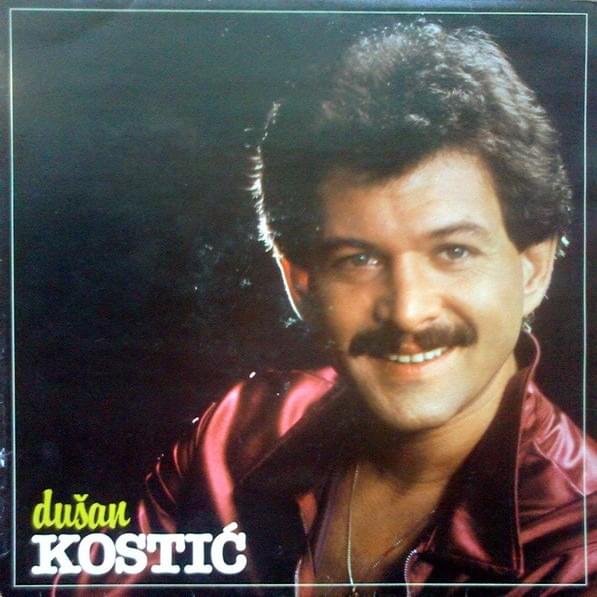
 View Artist