Song Meaning
The lyrics paint a vivid picture of a past love, fixated on specific sensory details that now haunt the narrator. The "ojitos negros" and "mirada extraña" suggest an intense, perhaps even unsettling, initial attraction that has since become a source of deep longing. The "palabras tuyas maravillosas" and "besos robados" recall moments of stolen intimacy, now tinged with the pain of their absence. This focus on concrete memories highlights the profound personal impact of the lost connection.
The central tension lies in the narrator's inability to reconcile their enduring love with the inexplicable separation. The repeated question, "Quien te separo de mi / Quien me robo tu querer?" underscores a feeling of powerlessness and bewilderment. Despite the narrator's profound sorrow, expressed through "Aunque yo llore por ti / Nunca lo vas a saber," there's a clear sense that the other person remains unaware of the depth of this pain. This one-sided suffering creates a palpable emotional chasm.
The most striking aspect of the writing is the stark contrast between the narrator's internal devastation and the perceived happiness of the outside world. The phrase "Aunque el mundo ría feliz yo estaré triste" is a powerful declaration of isolation. This isn't just personal sadness; it's a sadness that stands in opposition to everything else, amplifying the feeling of being trapped in a perpetual state of mourning for a lost love. The insistent repetition of "Esperando el retorno" hammers home this desperate, unyielding hope.
Ultimately, the lyrics resonate because they capture the specific agony of a love that ended without explanation and the private grief that follows. The narrator's inability to forget, coupled with the world's obliviousness to their pain, creates a potent sense of enduring heartache. The writing effectively conveys how deeply personal memories can become the sole focus of one's emotional landscape, even as life moves on around them.
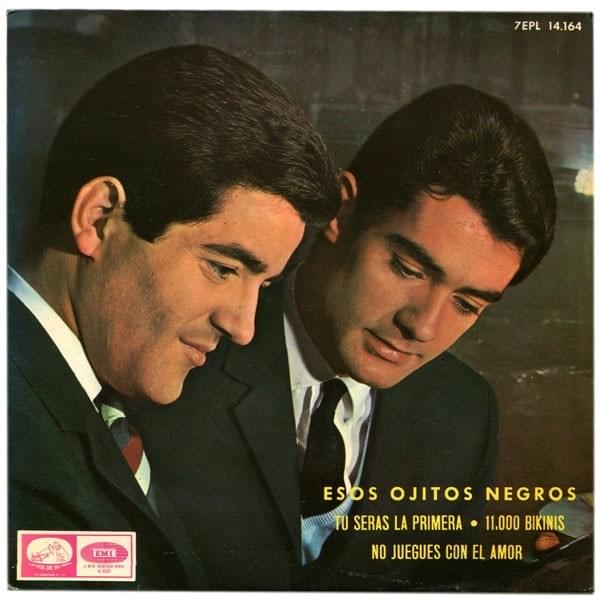
 View Artist