Song Meaning
Duncan Sheik's "The End of Outside" isn't just a song; it's an existential tremor rendered in sound. The opening lines, a preemptive apology for truths about to be laid bare, immediately signal a journey into discomfort. It's a plea to escape the suffocating grip of the past, a yearning for clarity in a present that feels perpetually out of reach. The repeated question, "Does it make you wonder what's at the end of the outside?" acts as the song’s central nervous system, probing the listener's own boundaries of perception and understanding. This isn't mere curiosity; it's a desperate search for meaning beyond the tangible, a hint that what we perceive as reality may be a construct.
The lyrics delve into the complexities of inner turmoil, questioning the validity of internal voices and visions. Are these glimpses of a deeper truth, "deeper than the light," or simply manifestations of a fractured psyche? The fear of an "uncertain fate" hangs heavy, amplified by the observation of "a hundred million faces, enlightened or afraid." This paints a picture of collective anxiety, a shared human condition grappling with the unknown. The desire to "feel closer now to the stars in the sky" transcends simple escapism; it's a longing for connection to something larger, a cosmic belonging that offers solace from earthly anxieties.
Ultimately, "The End of Outside" is a poignant meditation on the human condition. The lines "Human nature, I don't remember how to feel that way" speak to a profound sense of alienation, a disconnection from fundamental emotions. The imagery of being "dropped inside the ocean, covered by the sands of time" evokes a feeling of being overwhelmed and lost within the vastness of existence. Yet, amidst this despair, there's a glimmer of hope, a plea to be guided through the "seasons of every single life." This suggests a desire for empathy, for understanding the shared experiences that bind us together. The song meaning, therefore, resides in its raw emotional honesty, its willingness to confront the anxieties and uncertainties that plague the modern soul, offering a space for introspection and a quiet yearning for connection.
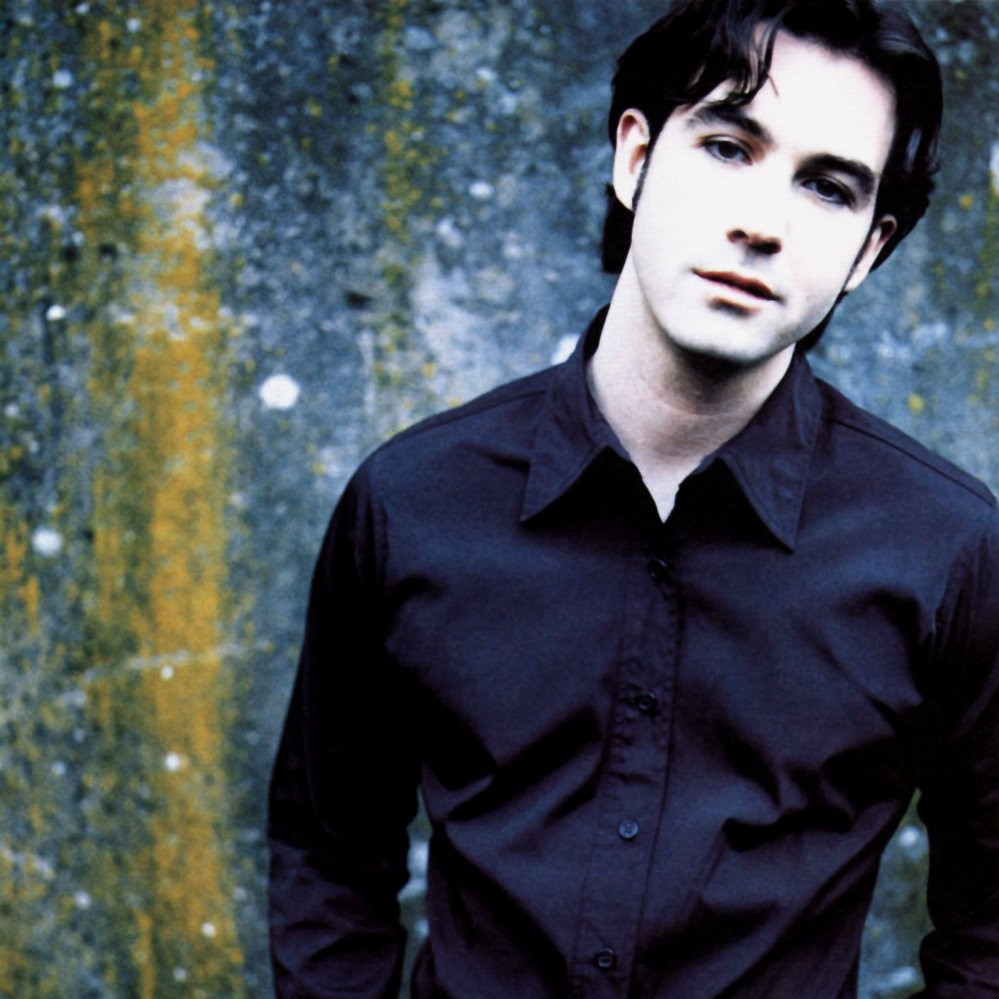
 View Artist