Song Meaning
This song paints a picture of a powerful, almost divine figure offering a transformative escape. The narrator invites someone to reveal their name, promising to crown them queen in a "garden of roses." This initial offer is steeped in imagery of light and shadow, with the subject's eyes fixed on where the day hides, suggesting a longing for something beyond their current reality. The narrator claims dominion over elemental forces – "the wind and the sea" – positioning themselves as a grand architect of this promised paradise.
The core tension lies in the contrast between the narrator's immense power and the subject's profound uncertainty. The subject has apparently glimpsed the demise of their "dark dreams," yet they remain lost, "without knowing who you are," hailing from a "land where flowers die." This juxtaposition highlights the subject's vulnerability and the narrator's role as a potential savior, offering a future filled with beauty and stability – "hundreds of roses," "the moon and tomorrow the sun." The plea, "Tell me you'll still believe in me," underscores the fragility of this connection and the narrator's need for the subject's faith.
The most striking craft element is the recurring motif of the "garden of roses" as a symbol of ultimate fulfillment and transformation. It's a place where dreams don't die, where one can awaken to beauty, and where identity can be solidified. The narrator's self-proclaimed mastery over nature serves to amplify the allure of this garden, making the offer seem not just desirable but divinely ordained. The cyclical imagery of "today the moon and tomorrow the sun" reinforces the idea of a stable, predictable, and beautiful future being offered in exchange for trust and identity.
Ultimately, the lyrics resonate because they tap into a deep-seated human desire for escape, validation, and a sense of belonging. The narrator's grand promises, coupled with the subject's evident despair, create a compelling narrative of potential redemption. The power lies in the specific, almost mythic language used to describe the offer and the subject's plight, making the imagined "garden of roses" feel like a tangible, longed-for destination.
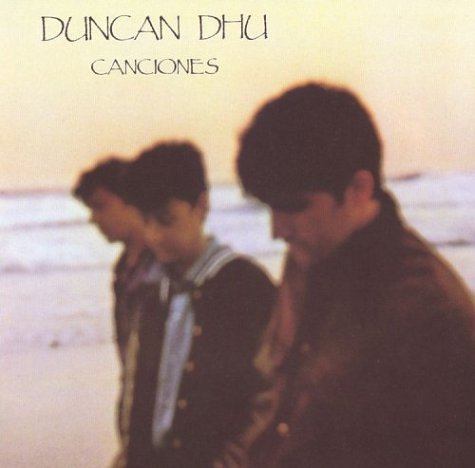
 View Artist