Song Meaning
The lyrics paint a stark picture of a world plunged into darkness, both literal and metaphorical. The opening lines immediately establish a disorienting paradox: "La noche cayó al amanecer" (Night fell at dawn), suggesting a profound disruption of natural order. This sets the stage for an overwhelming sense of loss, where even celestial bodies, "Luna y sol no pueden ser" (Moon and sun cannot be), are absent or rendered irrelevant, mirroring the narrator's internal state.
The core of the song's emotional weight lies in the narrator's desperate longing to return to a time when light existed, both externally and within a significant relationship. The persistent image of "Tu imagen aún, sobre la pared" (Your image still, on the wall) is a haunting reminder of what has been lost, a static echo in a world that has fundamentally changed. The plea, "A la luz, quiero volver" (To the light, I want to return), is a direct expression of this yearning, a desire to escape the suffocating "todo está oscuro" (everything is dark) that now defines existence.
The most striking aspect of the craft is the personification of light and the profound impact of its absence. The earth itself sinks, flowers fail to grow, and the narrator's tears obscure vision, all direct consequences of the darkness. The climax arrives with the devastating realization that "Donde se apagó el brillo en tus ojos / La luz murió" (Where the shine in your eyes went out / The light died). This final line powerfully equates the loss of a loved one's vitality with the death of all light, making the personal tragedy the source of the world's desolation.
This lyrical construction is effective because it grounds an abstract emotional state in concrete, devastating imagery. The failure of nature – the sinking earth, the unblooming flowers – amplifies the personal grief into a cosmic event. The narrator isn't just sad; their world has literally ended, a feeling amplified by the simple, yet profound, declaration that "La luz murió."
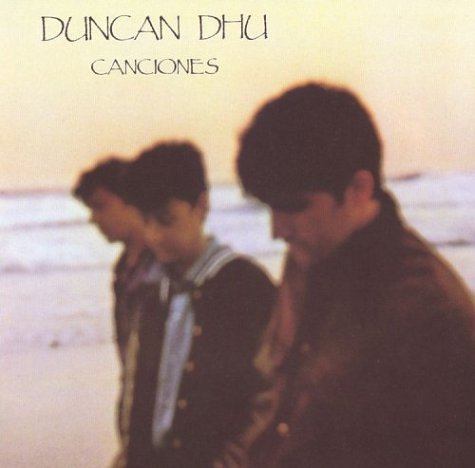
 View Artist