Song Meaning
The lyrics paint a picture of someone stripped down to essentials, yet finding a profound sense of peace. The opening lines, "Cebim delik / Başım açık" (My pocket is torn / My head is bare), immediately establish a state of material lack. However, this is juxtaposed with an internal feeling of lightness: "İçim ferah" (My inside is clear/light). The "Sazım yanık" (My saz is burnt/scorched) suggests a well-worn, perhaps damaged, but deeply personal instrument, hinting at a life lived through music.
The narrator then offers a stark contrast, seemingly addressing someone else with a litany of possessions and power: "En güzeli / Senin olsun" (Let the most beautiful be yours), "En yücesi / Sana kalsın" (Let the highest remain with you). This generosity extends to abstract concepts like the power to shout, fame, wealth, and even divine favor: "Haykırmak için kudretin senin olsun / Kudurmak için şöhretin de olsun / Saldırmak için servetin senin olsun / Yalvarmak için Allah'ın senin olsun" (Let your power be yours to shout / Let your fame be yours to rage / Let your wealth be yours to attack / Let God be yours to beg). This isn't envy; it's a deliberate renunciation of worldly ambitions for the sake of something more intrinsic.
The core of the narrator's contentment lies in the connection between their inner self and their music. The repeated phrase "İçimdeki aşk elimdeki saz / Elimdeki saz içimdeki aşk" (The love inside me is the saz in my hand / The saz in my hand is the love inside me) is a powerful declaration of identity. The instrument isn't just a tool; it's the physical manifestation of their deepest passion. The final line, "Elimdeki saz yeter canıma" (The saz in my hand is enough for my soul/life), solidifies this sentiment, asserting that this singular connection provides complete fulfillment, rendering all the offered external riches unnecessary.
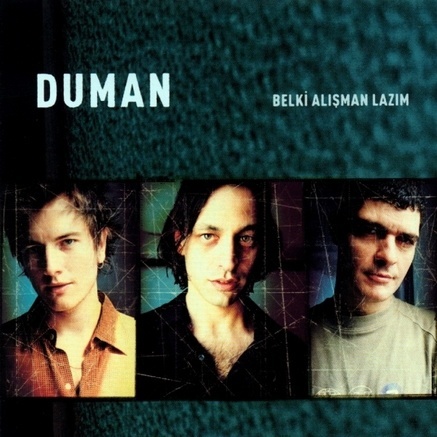
 View Artist