Song Meaning
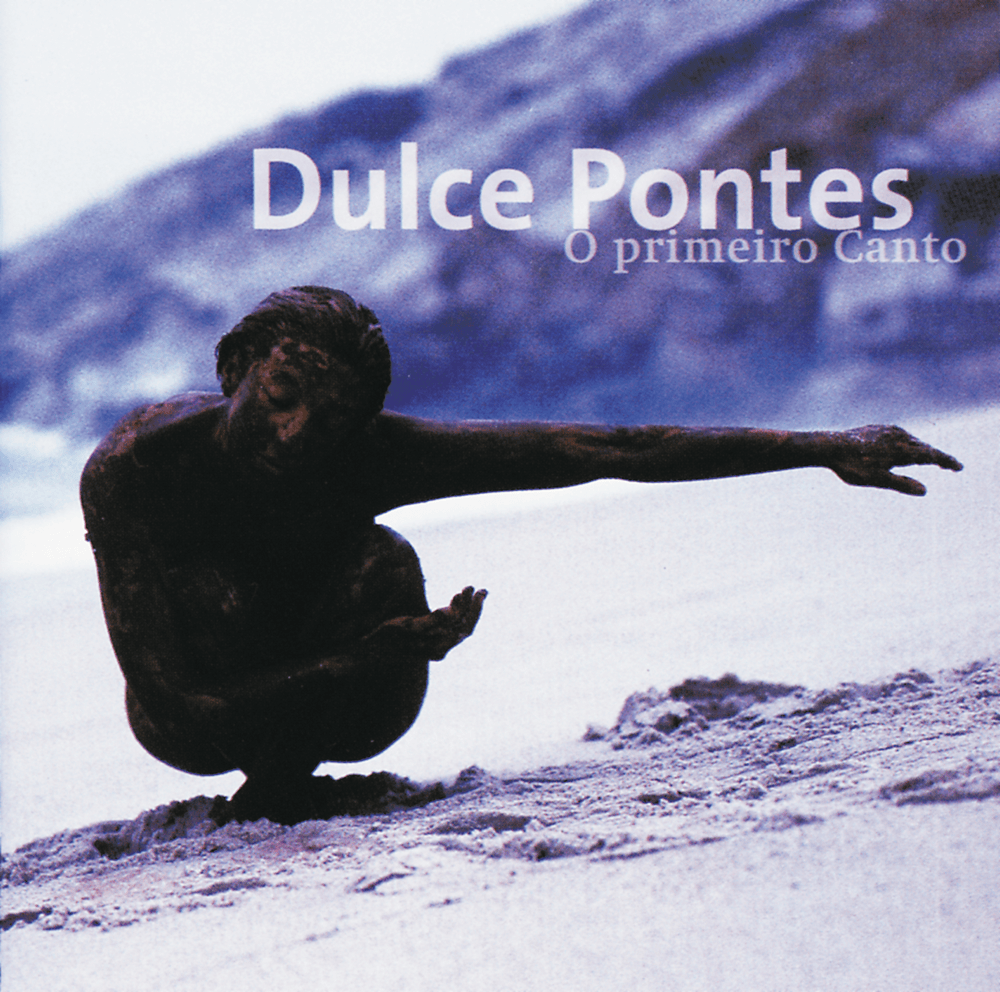
Dulce Pontes's "Suite da Terra" isn't just a song; it's a visceral connection to the earth, a lament, and a fierce declaration of belonging. The opening lines, depicting hands "calloused like deep roots," immediately ground the listener in the physical labor and profound connection to the land. It's a portrait of resilience, where weathered hands become symbols of enduring strength, and whitewashed souls represent purity born from hardship. Pontes isn't romanticizing rural life; she's acknowledging its grit while simultaneously elevating its spiritual significance. The "fertile seed" suggests potential, a promise of growth and renewal deeply intertwined with the earth itself. The extended vocalizations act as a primal cry, a wordless expression of longing and connection that transcends simple language. They serve as a bridge between the tangible and the ethereal, enhancing the song's overall impact. The lyrics analysis highlights how the words act as a gateway.
The recurring chorus, an ode to the "green mountain," solidifies this bond. It's more than just scenery; it's a source of life, water, and sensory experience. The repetition of "the green I feel, the green I smell, the smell that is seeing you" collapses the senses, creating a synesthetic experience that emphasizes the totality of the speaker's connection to the land. It's a deeply personal and intimate relationship, where the mountain is not just observed but felt, smelled, and almost tasted. The image of the hawk soaring above houses, "sublimating pain in a flap of wings," offers a perspective shift. From the ground, we see the toil; from above, we see a release, a transcendence of suffering through the act of flight. It's a fleeting moment of freedom, a reminder that even in hardship, there's the possibility of escape and a broader view.
The final verse introduces the concept of a "solar magma of people," hinting at a collective identity forged in the fires of history and tradition. The invocation to "sing a new fado when the volcano awakens" is particularly powerful. Fado, a traditional Portuguese genre known for its melancholy and saudade (a feeling of longing), is being challenged to evolve. The volcano, a symbol of raw, untamed power, suggests a coming upheaval, a moment of transformation that will birth a new expression of Portuguese identity. It's a call for cultural renewal, urging the people to find their voice in the face of change, to create a fado that reflects not just the past but also the present and the future.
 View Artist