Song Meaning
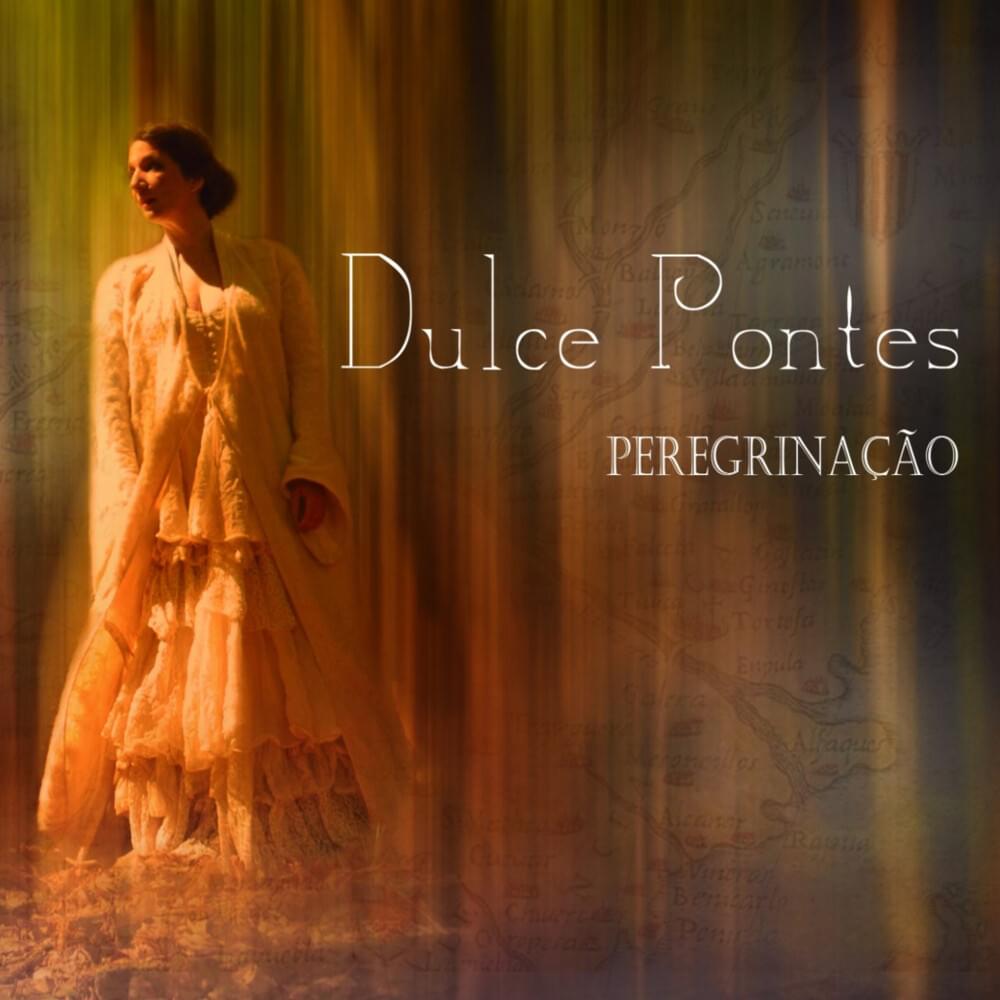
Dulce Pontes's "La Peregrinación" isn't just a song; it's a visceral journey, a recreation of the biblical pilgrimage of Joseph and Mary, rendered through the raw, elemental language of the South American landscape. The repeated phrase "A la huella, a la huella" (footstep by footstep) becomes a mantra, a relentless echo of hardship and determination across "pampas heladas" (frozen plains) and thorny terrain. The lyrics paint a stark picture of displacement and vulnerability, amplified by the desperate plea for shelter: "Prestenme una tapera para mi niño" (Lend me a shack for my child). It's a plea born of necessity, stripped of any romanticism.
The brilliance of "La Peregrinación" lies in its ability to universalize the Nativity story. By setting it within a South American context, Pontes highlights the timeless themes of migration, poverty, and the search for belonging. The simple, almost childlike questioning – "Si ninguno te aloja, adonde naces?" (If no one shelters you, where are you born?) – cuts to the heart of the human condition. It speaks to the anxieties of any parent, any refugee, anyone who has ever felt unwelcome or unseen. The "Dios escondido" (hidden God) suggests a divine presence concealed within the ordinary, within the struggles of everyday life.
Ultimately, Dulce Pontes transforms a familiar religious narrative into a profound meditation on human empathy. The song's power resides not only in its lyrical imagery but also in its emotional core. The imagined vulnerability of Mary and Joseph, the urgency of their plight, becomes a mirror reflecting our own capacity for compassion. The repeated call to make room – "Que mi niño ya viene, ¡haganle sitio!" (My child is coming, make room for him!) – transcends its original context, becoming a powerful reminder of our shared responsibility to care for those in need, regardless of origin or circumstance. The analysis of these lyrics reveals a potent message of hope and solidarity, delivered with haunting beauty.
 View Artist